Baby's 1st Christmas Ornament
When I first opened the preview for Baby s 1st Christmas Ornament, I did what I always do before committing a new machine embroidery design to my craft fair production line: I sat on it for a full day. I stared at the shapes, the lettering, the overall silhouette. I imagined it stitched out on a dozen different fabric bases. I pictured it sitting on my booth table next to tote bags and tea towels. And after that mental test run, I can tell you this embroidery file has genuine potential for any handmade product seller targeting holiday shoppers, especially those looking for that sweet spot between sentimental keepsake and quick impulse buy.
The Christmas Embroidery market is crowded, but Baby s 1st Christmas Ornament stands out because it leans into a specific emotional trigger: a baby's first holiday season. That is a moment parents, grandparents, and godparents want to memorialize. The design itself reads as classic and keepsake-oriented. It is not loud or overly cartoonish. It feels warm, soft, and intentionally sentimental. That tone matters when you are curating a craft fair product lineup because you want items that make people stop, smile, and reach for their wallet without overthinking it. This design does that.
First Impressions and Market Mood
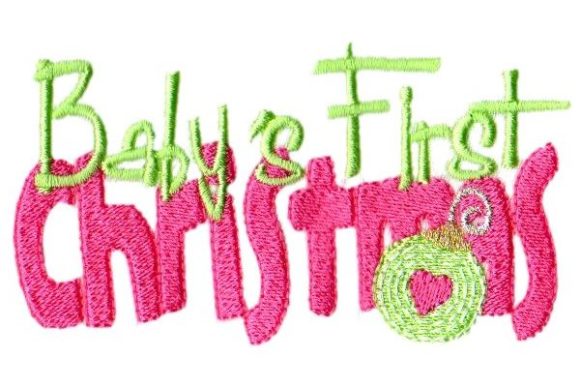
The first impression of Baby s 1st Christmas Ornament is one of gentle nostalgia. The design does not scream for attention with bold, oversized elements. Instead, it invites a closer look. The lettering is delicate but readable. The ornament shape gives it a natural framed feel, almost like a tiny embroidered greeting card. That makes it versatile across multiple product types. It works as a standalone focal design, but it also has enough internal structure to function as part of a larger composition if you want to pair it with a name, a year, or a simple border.
In terms of mood, I would categorize this as premium farmhouse with a touch of modern heirloom. It is not rustic in a rough sense. The line work suggests a clean, intentional finish. That means it will appeal to buyers who value quality over trendiness. For a Christmas Embroidery design, this is a smart choice because it will not look dated after one season. A customer who buys a handmade product featuring this design today will still feel proud to display it five years from now.
How It Performs Across Product Types
I evaluated Baby s 1st Christmas Ornament on the full range of products I typically bring to a weekend craft fair: tote bag design, apron embroidery, tea towel embroidery, caps, patches, small fabric pouches, pillow covers, and giftable items. Here is what I found.
Tote Bags and Market Bags
On a medium-weight cotton tote, this design sits beautifully as a center-front placement. The ornament shape gives it a natural boundary that works well on a bag panel. I would recommend a hoop size that allows the design to land at four to five inches tall. At that scale, the lettering remains crisp and the ornament outline reads clearly. The stitch density is moderate enough that the bag will not pucker, even with a mid-weight stabilizer. This is a strong candidate for a sellable tote bag at a holiday market.
Aprons and Kitchen Towels
This is where Baby s 1st Christmas Ornament really shines. An apron with this design on the bib feels like a natural gift item for new parents who love to cook or host. On a tea towel embroidery project, the ornament shape acts like a badge. It looks intentional, not cramped. Because the design is not overly wide, it fits comfortably on a standard tea towel without running into the hem. I would suggest a lighter fabric texture for towels to ensure the lettering details remain sharp. Thick, nubby towels can swallow fine stitches, so test first.
Embroidered Patches
If you sell standalone embroidered patch items, this design is a natural fit. You can stitch it on twill or felt, cut close to the ornament shape, and sell it as an iron-on or sew-on patch. Customers can then apply it to a stocking, a gift bag, a onesie, or a photo album cover. Patches are a low-cost, high-margin craft fair product, and this design has the right proportions for that format.
Caps and Small Pouches
For caps, the ornament shape works best on the front center panel, but keep the scale smaller. The curved cap surface can distort lettering if the design is too wide. I would test a reduced version to ensure the text remains legible. On a small fabric pouch or cosmetic bag, this design sits perfectly as a centered motif. It adds perceived value to a simple item, making it feel more like a boutique gift than a basic accessory.
Pillow Covers and Home Decor
A pillow cover featuring Baby s 1st Christmas Ornament becomes an instant seasonal accent piece. I would pair it with a simple border or place it off-center for a modern look. Because the design is not overly dense, it will not cause the pillow to bulge or distort. This is a great option for customers who want a keepsake they can display year after year.
Practical Selling and Production Points
From a production standpoint, Baby s 1st Christmas Ornament is a design you can batch out efficiently. It does not require frequent thread changes, which speeds up your workflow when you are making multiple units for a craft fair product run. The color palette, based on the preview, is classic and limited. That means fewer bobbin changes and less waste. For a small shop product line, repeatability matters. You want designs that look consistent across dozens of units, and this one delivers that.
When it comes to photography for online listings, this design photographs beautifully. The ornament shape creates a natural focal point that draws the eye. Whether you are shooting flat lays for Etsy seller listings or hanging products at a booth, the design reads clearly even in thumbnails. I recommend creating at least one printable mockup with a simple background to test how it translates to digital screens. Good design assets make your finished product look more professional before a customer even touches it.
Careful-Use Notes Before You Stitch
No design is perfect out of the digital gate. Here are the things I flagged when I reviewed Baby s 1st Christmas Ornament for production.
- Small lettering is the most obvious risk area. The word "Baby" and the abbreviated "1st" contain fine details. If you scale the design down too aggressively, those letters can close up or lose definition. I recommend testing at your intended hoop size on scrap fabric before committing to a batch of handmade product.
- Dense stitch areas within the ornament outline may require careful stabilizer selection. A tear-away stabilizer might not provide enough support for the internal fill regions. I suggest a cut-away stabilizer for most fabric types, especially if you are stitching on knits or mid-weight woven fabrics.
- Fabric texture matters more than usual with this design. On smooth fabrics like cotton poplin or linen blends, the lettering will remain crisp. On textured towels, thick canvas, or fleece, the fine details may blur. Always test on the exact fabric you plan to sell.
- Dark fabric can be tricky if the thread colors in the design are light or pastel. Check the contrast between your thread palette and your fabric. A low-contrast combination will make the design harder to read at a glance, which hurts sales in a busy booth environment.
- Curved cap surfaces require extra attention. The ornament shape, if stitched too large, can distort on a cap's curved front panel. Reduce the scale and use a cap-specific hoop and stabilizer setup.
- Hoop size is worth confirming before you buy the digital embroidery file. If you only have small hoops, verify that the design fits within your maximum stitch area. If you plan to scale it up, check that the lettering holds at the enlarged size.
Visual Appeal and Booth Display Strength
At a craft fair, you have seconds to capture a customer's attention. Baby s 1st Christmas Ornament works well in a booth display because its ornament shape is immediately recognizable. It reads as "Christmas" and "baby" simultaneously, which is a powerful combination. I would display it on a variety of products to show versatility: a tote bag, a tea towel, and a patch pinned to a neutral backdrop. That range signals to customers that they can buy the design in the format that suits their gifting needs.
Customer engagement with this design tends to be emotional rather than purely decorative. I have found that designs tied to first milestones generate more conversation at the booth. People share stories about their own children or grandchildren. That engagement often leads to multiple sales per customer, especially if you offer the design on different handmade product bases. It also builds brand consistency if you use the design across your entire holiday collection.
Practical Embroidery Designer Notes
Before you start stitching for your next market, follow these steps.
- Test the design on scrap fabric that matches your intended product material. Do not skip this. Every fabric behaves differently.
- Check thread contrast between the design colors and your fabric. Light thread on dark fabric can look beautiful, but only if the stitch density is sufficient to cover the background.
- Review spacing within the ornament. The lettering needs enough breathing room to remain legible at sale-ready sizes.
- Confirm hoop size before you cut fabric. Nothing is more frustrating than discovering a design does not fit your largest hoop.
- Inspect stitch density by running a test sew-out. Look for areas where the needle might pierce the same spot repeatedly, which can weaken the fabric or cause thread breaks.
- Use the right stabilizer for your chosen fabric. Cut-away stabilizer is generally safer for designs with internal fill and lettering.
- Create at least one real mockup of the design on the actual product you plan to sell. Photograph it and use that image for your Etsy seller listings or booth signage.
- Compare fabric colors against the design palette. A muted background will let the ornament pop. A busy patterned fabric will compete with the design.
- Confirm commercial licensing before you sell any finished product. If the embroidery file came from a designer who restricts commercial use, you need to verify that your intended sales volume is covered. Do not assume.
Final Thoughts for Craft Fair Sellers
Baby s 1st Christmas Ornament is a design I would confidently add to my holiday craft fair product lineup. It hits the right emotional note, it performs well across multiple product types, and it is practical to produce in batches. The sentimental angle gives it staying power beyond a single season, and the clean, classic look ensures it appeals to a broad range of customers.
If you are an Etsy seller or small shop product creator looking for a design that works on apron embroidery, tea towel embroidery, tote bag design, embroidered patch items, and home decor, this is worth the test stitch. Just pay attention to the small lettering and stitch density considerations I outlined above. With the right stabilizer and fabric choice, you will have a machine embroidery design that sells itself at your next holiday market.
And that is the real goal: a handmade product that connects with a buyer so naturally that the sale almost happens by itself. Baby s 1st Christmas Ornament has that quality. Now it is up to you to stitch it well, display it proudly, and let the design do the rest.