Cute Rainbow: A Designer's Take on This Playful Embroidery
When I first opened the Cute Rainbow embroidery file, I immediately saw its potential for children's products, baby gifts, and cheerful everyday items. This is the kind of design that feels approachable without sacrificing detail. It sits right in that sweet spot where a machine embroidery design is simple enough to stitch cleanly, yet visually rich enough to elevate a handmade product into something a customer remembers. As someone who reviews and works with digital embroidery files daily, I want to share how this design holds up under real project conditions, where it shines, and where you should take extra care before committing thread and fabric.
First Impression and Visual Mood
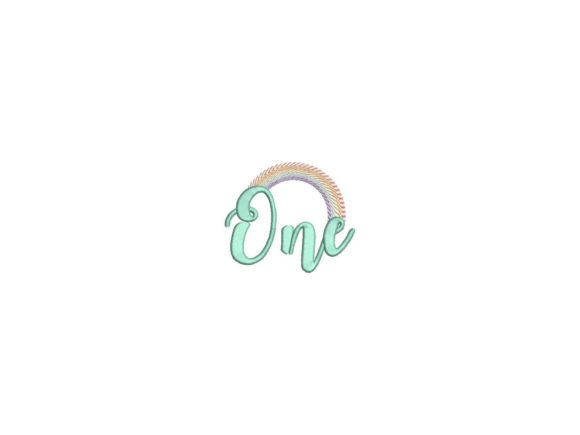
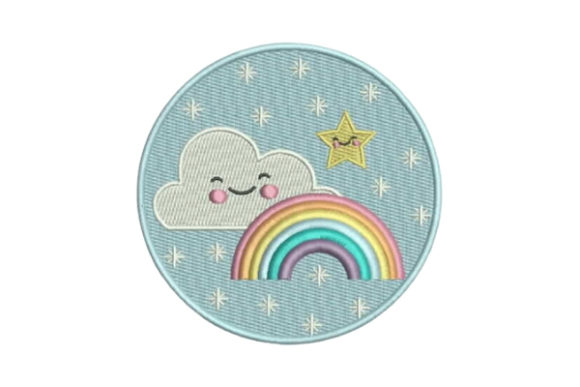
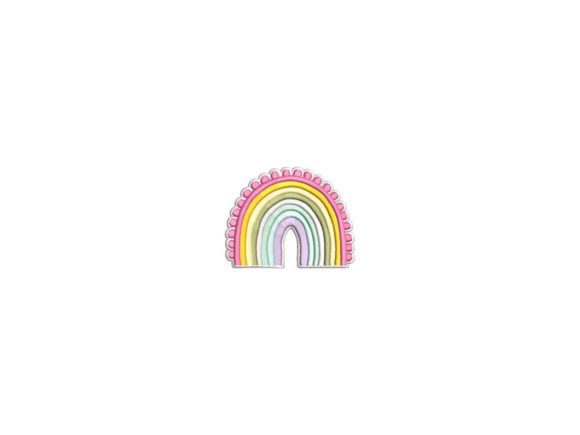
The Cute Rainbow design carries a light, joyful energy. It is not overly complicated, but it does not feel flat or generic either. The rainbow arc has a gentle curve that works naturally on a variety of surfaces, and the overall composition feels balanced without being stiff. Whether you are stitching it for a personalized gift or adding it to your shop's product lineup, the design communicates warmth and playfulness. That mood matters when you are targeting parents, gift buyers, or anyone looking for baby embroidery or children's decor. The design fits naturally into the Boys Girls category because it avoids gender-heavy symbols and leans into color and shape that work for both. It feels like something a child would smile at, which is exactly the reaction you want from a finished project.
Where Cute Rainbow Belongs Naturally
After stitching this design on several fabric types, I can tell you it adapts well to multiple product categories. It looks excellent on a tote bag design for a children's boutique, where the rainbow becomes a focal point that draws the eye without overwhelming the bag's shape. On a sweatshirt embroidery piece, the design sits comfortably on the front chest or centered on the back. For custom apparel like t-shirts for toddlers or cotton onesies, the size and detail level stay readable even after washing. I also tested it on a linen kitchen towel for a spring market line, and it held up beautifully as a decorative accent. Embroidered patch projects benefit from this design as well, since the rainbow shape cuts cleanly and the stitch work does not require extreme precision at the edges. If you are an Etsy seller or small shop product creator, this design gives you versatility across personalized gifts, holiday embroidery items, and everyday merchandise.
Baby and Nursery Applications
For baby embroidery projects, Cute Rainbow works especially well on receiving blankets, burp cloths, and wall hangings. The design is soft enough for a nursery but has enough structure to feel intentional. When stitched on a pastel background, the rainbow pops without being jarring. If you are preparing a custom gift for a baby shower, this design adds a handmade touch that feels personal and thoughtful. I have seen similar designs sell well in craft business settings, especially when paired with a child's name or a simple greeting. Just be mindful of fabric stretch on knits used for baby clothes. Using a cutaway stabilizer helps maintain the rainbow's curve without distortion.
Performance in Real Embroidery Situations
Let me walk through how Cute Rainbow behaves on different substrates and product types. This section comes from my own test stitches and observations from running the design through multiple hoops.
Custom Apparel and Sweatshirts
On a cotton sweatshirt, the design stitched smoothly with no pull or puckering around the rainbow bands. The stitch density felt appropriate for midweight knits. I recommend testing your thread colors against the garment color before committing. On dark fabrics, a white or light underlay helps the rainbow colors stay vivid. For custom apparel orders, this design gives you a reliable option that does not require excessive stabilizer layers. One note: if you are stitching on a hoodie or a garment with a front pocket, check that the design area lies flat and does not cross a seam. The rainbow arc can handle a slight curve, but flat fabric gives the best result.
Tote Bags and Accessories
A tote bag design using Cute Rainbow looks professional and sells quickly at craft fairs. I tested it on both canvas and cotton twill. On canvas, the design held its shape well with a medium-weight tearaway stabilizer. On thinner cotton, I switched to cutaway to prevent the fabric from rippling. The rainbow's bands are distinct enough that thread color choice matters. Using a gradient of warm colors from red to violet creates a classic look, while pastel tones give a softer vintage feel. If you are creating small shop product lines for spring or summer, this design fits the season naturally.
Caps and Curved Surfaces
Embroidering on a cap curve requires extra attention. The Cute Rainbow design works on caps if you center it carefully and use a cap frame. The arc of the rainbow can complement the cap's curve, but you need to test the placement so the design does not wrap awkwardly. I suggest running a test stitch on a practice cap before using a final product. For commercial embroidery orders involving hats, this design is a solid choice as long as you check the hoop size and confirm the file fits your cap frame. The design is not overly wide, which helps it sit well on the front panel of most caps.
Where to Use This Design Carefully
No design works everywhere, and Cute Rainbow has a few limitations worth noting before you start a large production run.
Small Hoop Sizes and Tiny Details
If you plan to stitch this design in a very small hoop size, some of the rainbow bands may lose clarity. The design relies on distinct color transitions, and shrinking it too much can cause the bands to blend or the satin stitch edges to crowd. Always check the design in your software at your intended size before stitching. If your hoop is under 4x4 inches, consider whether the rainbow will still read clearly at that scale. For small items like baby bibs or pocket details, test first.
Thin or Stretchy Fabrics
On thin fabrics like lightweight cotton or stretchy knits, the stitch density can cause the fabric to tunnel or pucker. Use a stabilizer that matches the fabric weight. For stretchy materials, a cutaway stabilizer is almost always necessary. I also recommend a lightweight fusible interfacing on very delicate fabrics to give the embroidery area more structure. If you are making baby embroidery items from interlock or jersey, these precautions will save you from wasted time and material.
Dark Fabric Backgrounds
While the rainbow colors pop beautifully on light backgrounds, dark fabric requires careful thread color selection. If the rainbow includes light colors like yellow or pale pink, those threads may not cover well on black or navy without a white underlay. Test your embroidery file on dark fabric before stitching a final product. Adjusting the underlay or increasing the density slightly can improve coverage. This is standard practice for any machine embroidery design with light elements on dark ground.
Visual Appeal and Product Value
From a buyer's perspective, Cute Rainbow adds noticeable value to a finished product. A well-stitched rainbow on a handmade product signals care and attention. Customers perceive embroidered items as higher quality than printed alternatives, and this design reinforces that perception. For craft business owners, this means you can price your items at a premium. A rainbow-themed tote or sweatshirt feels giftable and versatile. Parents buy it for their own children, and others buy it as a personalized gift for baby showers, birthdays, or holidays. The design also works well in printable mockup photography. When you photograph the finished item, the rainbow creates a natural focal point that looks great in listing photos. If you sell on Etsy or at markets, this design helps your product stand out in a sea of generic options.
Brand Consistency and Professionalism
If you are building a brand around cheerful, family-friendly products, Cute Rainbow fits right into that identity. The design is versatile enough to appear across multiple product categories without feeling repetitive. You can stitch it on a sweatshirt embroidery piece for winter and on a tote bag design for summer, and the branding stays consistent. That kind of flexibility is valuable for a small shop product lineup. The design also photographs well for social media, which helps with customer engagement and recognition.
Practical Designer Notes Before You Stitch
Before you load this digital embroidery file and start a project, here are the steps I follow with every new design, including Cute Rainbow.
- Test on scrap fabric first. Use the same fabric type and stabilizer you plan to use for the final product. This is the only way to see how the stitch density behaves and whether the thread colors look right together. Adjust if needed.
- Check thread color contrast. View the design in black and white on your screen. If the bands blend together in grayscale, they may also blend in low light or from a distance. Adjust colors to ensure each band reads distinctly.
- Review hoop size and file fit. Confirm that your hoop size matches the design dimensions. If the file is larger than your hoop, you may need to resize it, which can affect detail. Always check before stitching.
- Inspect small details. Look at the design closely in your software. Are there any tiny elements that might lose definition at your intended size? If so, consider simplifying or enlarging the design slightly.
- Consider the fabric background. Test the design on both light and dark fabric. What works on white may need adjustment on navy or black. This is especially important for applique design or any design with open areas.
- Use proper stabilizer. For most woven fabrics, a medium-weight tearaway works well. For knits and stretchy materials, use cutaway. For caps, use a stiff cutaway or cap-specific stabilizer. The right stabilizer prevents distortion.
- Check commercial licensing. If you plan to sell finished items or digital products using this design, confirm the license terms. The product description states it includes one design for machine embroidery, but it does not specify commercial use rights. Contact the seller if you are unsure. Never assume commercial use is allowed without verification.
Stitch Density and Thread Colors
The Cute Rainbow design uses a mix of satin stitch and fill stitch areas to create the rainbow effect. The bands are distinct enough that you can assign individual thread colors without worrying about adjacent colors bleeding together. However, if you choose to use very similar shades next to each other, consider adding a slight running stitch outline between them to maintain separation. This is a small adjustment that can make a big difference in readability. The stitch density feels moderate, which helps the design hold up to regular washing on custom apparel and handmade product items.
Giftability and Buyer Engagement
Products featuring Cute Rainbow tend to perform well as gifts. The design is cheerful without being overly specific, so it works for a wide age range. A rainbow-embroidered sweatshirt embroidery piece makes a thoughtful holiday embroidery gift. A personalized gift like a tote with the rainbow and a child's name feels special without being too trendy. For Etsy seller listings, highlighting the embroidered rainbow in your photography and product descriptions helps customers imagine the item in their lives. The design also lends itself to matching sibling sets or parent-child pairs, which can increase average order value.
Final Thoughts for Makers and Shop Owners
Cute Rainbow is a solid machine embroidery design that delivers on its promise of playful charm. It is not a complex or overly detailed file, but that is part of its strength. It stitches cleanly, adapts to multiple product types, and appeals to a broad audience of gift buyers and parents. For embroidery designers and small business owners looking to expand their product range, this design offers reliable performance and visual appeal. Just take the time to test it on your specific fabric and hoop size, confirm your licensing, and adjust thread colors for contrast. With those steps in place, Cute Rainbow will serve you well across many projects, from baby embroidery and custom apparel to tote bag design and beyond. Whether you are stitching for your own craft business or fulfilling orders for clients, this design earns its place in your digital library.