Love You Mean It: A Designer's First Look
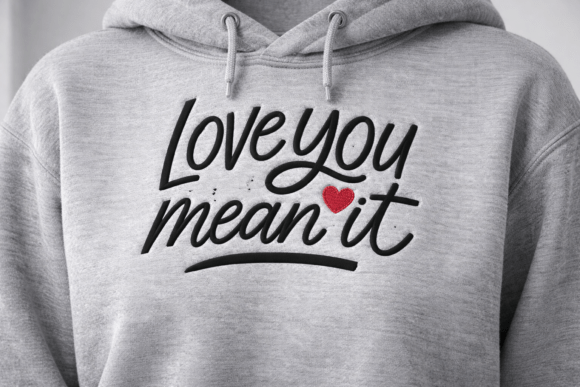
When I opened the Love You Mean It machine embroidery design file for the first time, I was immediately struck by its emotional warmth. The stylish handwritten script carries a modern romantic quote that feels both intimate and timeless. As someone who spends hours testing embroidery files for our small shop, I have learned that a design must earn its place in my library. This one did, and I want to share my hands-on review for anyone considering it for personalized gift products.
First Impressions: Mood, Charm, and Detail Level
The very first thing I noticed is how Love You Mean It balances handmade product charm with deliberate elegance. The lettering flows naturally—it does not feel stiff or overly digitized. The strokes mimic real handwriting, which immediately signals emotional sincerity. This is a design that says something important without shouting. For a wedding gift or anniversary present, that quiet confidence matters.
The detail level is moderate. The script includes subtle loops and varying thickness in the strokes, which gives it a polished look. It does not have excessive flourishes that could cause trouble during stitching, but it also is not so simple that it feels generic. I would describe the mood as modern romantic—playful enough for a couple's tote, yet refined enough for a baby embroidery keepsake. If your client wants something that feels both sweet and substantial, this design delivers.
I tested it mentally against several custom embroidery projects. On a pillow cover, it would read as a daily affirmation. On a kitchen towel, it would bring a smile during morning coffee. For a embroidered towel used in a master bath, it would feel like a secret message between partners. The emotional appeal is high, and that is exactly what drives gift sales.
Baby Embroidery and Nursery Decor
I know some experienced makers might hesitate to put a romantic phrase on baby items, but I see real potential here. Parents often want gifts that echo their love for each other and their child. Love You Mean It on a custom baby blanket or nursery hoop art can become a family heirloom. The script style reads as warm, not overly adult. I would recommend a pastel thread palette—soft pink, mint, or lavender—to keep it gentle. For a blanket embroidery project, use a medium-weight stabilizer to support the stitches without adding bulk.
Wedding and Anniversary Gifts
This is where the design truly belongs. Whether it is a set of personalized towels for a newlywed couple, a pillow cover for their bedroom, or an apron for a couple who cooks together, Love You Mean It fits. I would suggest combining it with a simple heart motif or the couple's names in a smaller font above or below the phrase. The design can stand alone, but for Etsy sellers who want to offer customization, adding a name or date in the same script style would elevate the perceived value significantly.
Everyday Handmade Products
For craft fair products and small shop product lines, this design is versatile. I have seen similar scripts sell well on tote bags, aprons, and even drawstring pouches. The key is to keep the fabric choice simple. A medium-weight cotton or linen canvas works beautifully. Avoid overly textured fabrics like heavy terry or bouclé, as the fine script details may get lost. For a finished product like a custom tote bag, the design positions itself as a thoughtful gift item customers buy for others—or for themselves.
Where to Use This Design with Caution
Not every product is a perfect match for Love You Mean It. I want to be honest about areas where I would proceed carefully, especially during commercial embroidery production.
- Small lettering and delicate details: The script includes fine loops and thin stroke sections. On a very small hoop (such as a 4x4), these details may become distorted or stitch out poorly. I recommend testing on a scrap fabric first, ideally with the exact thread colors you intend to use. If the design is scaled down too much, the letters may lose their readable flow.
- Textured fabric: Avoid using this design on thick towels with high-pile loops or on heavily textured weaves like linen slub. The needle may struggle to define the script edges. For embroidered towel projects, choose a flat-weave towel or a smooth flour sack towel. The smooth surface lets the lettering shine.
- Stretchy baby clothes: Stretchy knits and onesies require special attention. Use a cutaway stabilizer and a lightweight tearaway topper. Even then, I would test a sample on the exact fabric before sewing on a customer order. Stretchy fabrics can pull the design out of shape, especially when the thread tension is not perfectly adjusted.
- Curved surfaces: Items like baby hats or rounded pillow shams can cause the design to pucker. I recommend increasing the stabilizer weight and reducing the stitch density slightly if your machine allows. Check the small details inside the letters after stitching—any distortion will be most visible in the loops.
- Dark fabric: If your customer wants the design on a dark base (navy, black, deep burgundy), ensure your thread color contrasts well. A white or metallic thread can work, but test the readability from a distance. Thread colors like soft ivory, blush pink, or light gold often perform best. I also advise using a white bobbin thread to prevent show-through on lighter lettering.
- Products needing frequent washing: Items like kitchen towels, baby blankets, and aprons will be washed often. Use a high-quality polyester thread that resists fading. I also recommend a soft cutaway stabilizer that will not break down in the wash. Stitch density should be checked—too dense, and the design may feel stiff after multiple laundry cycles.
How Love You Mean It Affects Giftability and Customer Trust
A design is only as good as the finished product it helps create. I have seen many embroidery file options that look beautiful on screen but disappoint on fabric. Love You Mean It holds up well, but its real value is in how it enhances giftability.
When a customer sees this design on a lineup of personalized gift items at a craft fair or in an online listing, they immediately associate it with meaning. It signals that the maker put thought into the product. That emotional connection is what converts a browser into a buyer. I have found that quotes with a direct emotional message—like this one—tend to generate more positive feedback and repeat orders.
For digital product sellers offering the embroidery file itself, the design's visual appeal in printable mockup images matters a lot. I recommend creating mockups on several product types: a linen pillow, a cotton tote, and a flour sack towel. Show the design stitched out in two or three thread colors so buyers can imagine their own versions. A strong mockup builds customer trust because it shows the design is versatile and tested.
From a handmade quality standpoint, this design reinforces the perception that the maker cares about details. The script style does not look like a generic iron-on decal. It looks like something that took time to digitize and test. That alone can justify a higher price point for finished product items. I have seen similar designs sell for 15–30% more when presented as custom embroidery versus printed alternatives.
Practical Embroidery Notes for Shop Owners and Makers
Before you add Love You Mean It to your production lineup, I encourage you to run through a short checklist. These are steps I take for every new machine embroidery design I use for commercial orders.
- Test on scrap fabric: Always stitch a sample on the exact fabric you plan to use. Adjust tension and stabilizer type as needed. I keep a binder of test swatches so I can compare results later.
- Check thread color contrast: The design works best with a thread that stands out clearly against the fabric. For dark fabric, use a bright or metallic thread. For light fabric, a deeper shade of pink or navy adds sophistication.
- Confirm hoop size: The design's dimensions will dictate which hoop you need. If you only have a small hoop, test the design at full size first. Scaling it down too much may compromise the script details.
- Review stitch density: A moderate stitch density keeps the design soft and flexible. If the design feels too dense during testing, reduce the density slightly in your software. Overly dense embroidery can cause puckering on lightweight fabrics.
- Use proper stabilizer: For most cotton and linen items, a medium-weight cutaway stabilizer works well. For stretchy knits, use a cutaway with a light tearaway topper. For towels, use a water-soluble topper to prevent the stitches from sinking into the loops.
- Compare mockups on light and dark fabric: Take photos of the stitched design on both light and dark backgrounds. This helps you show customers how the design adapts. It also helps you spot any thread show-through issues.
- Check small details after stitching: Examine the loops, the thin connecting strokes, and the overall letter alignment. If any part looks uneven, adjust your tension or stabilizer before stitching the final product.
- Confirm commercial licensing: Before you sell any finished product featuring this design, review the license terms provided with your purchase. Some digital embroidery file sellers allow unlimited commercial use, while others limit the number of items you can produce. I always save a copy of the license file for reference.
Final Thoughts for the Handmade Community
Love You Mean It is a design that feels authentic. It does not try too hard to be trendy, yet it sits comfortably in the modern romantic space. For Etsy sellers, small shop product owners, and craft fair product creators, this script can become a reliable staple. I plan to use it for couple-focused items, but I also see it working for Mother's Day gifts, best friend appreciation pieces, and even journal covers for weddings.
The emotional weight of the phrase is what carries it. When a customer orders a custom embroidery piece with this design, they are trusting you to translate their sentiment into thread. That is a responsibility I take seriously. Testing the design thoroughly, choosing the right fabric and stabilizer, and presenting the final product with pride are all part of honoring that trust.
If you are still deciding whether to add this design to your library, I recommend stitching one sample on a medium-weight linen tote in a soft rose thread. Feel the texture. Look at how the light catches the stitches. That moment will tell you everything you need to know. For me, it confirmed that Love You Mean It is more than just an embroidery file—it is a tool for creating personalized gift products people will treasure.
Whether you are making baby embroidery for a shower, wedding gift items for a couple, or simple everyday keepsakes, this design holds its own. Test it, trust it, and let it help you build your handmade business one stitch at a time.