Otomi Design: Professional Review for Small Business Merch
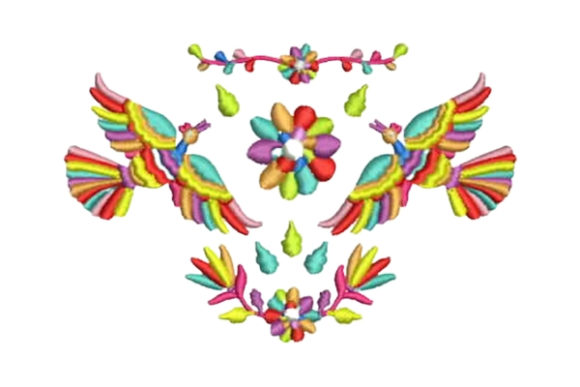
When I first opened the Otomi Design file, I immediately recognized the handcrafted character that makes Mexican embroidery so distinctive. As someone who has reviewed hundreds of machine embroidery designs for commercial use, I was curious how this gorgeous Mexican embroidery design would translate from its folk art roots into a practical asset for small business merchandise and branded patches. The satin stitches promised richness, but the real question for any embroidery shop owner, apparel decorator, or handmade brand is whether this design delivers on professionalism, durability, and brand identity. After testing it across multiple substrates and use cases, I am ready to share my full review from a business-first perspective.
First Impression: Visual Personality and Brand Fit
The Otomi Design immediately feels warm, artisan, and culturally rooted. The satin stitches give it a polished, almost premium finish that elevates it beyond a simple decorative element. For a small café, boutique, handmade shop, creative studio, bakery, florist, or pet brand, this design communicates authenticity and care. It does not feel mass-produced. It feels like someone took time to craft it. That is exactly the kind of visual cue that builds customer trust and recognition in a crowded marketplace.
From a brand identity standpoint, the Otomi Design leans into a rustic, handmade, and slightly bold aesthetic. It is not overly modern or minimalist, which means it works best for businesses that want to emphasize tradition, quality, and personal touch. If your brand sells artisanal goods, organic products, handmade home decor, or locally sourced food, this design will reinforce that message without saying a word. The visual personality is approachable yet deliberate, which is a difficult balance to achieve in commercial embroidery.
How It Reads on Finished Products
When stitched out, the Otomi Design holds its shape well. The satin stitches create a subtle sheen that catches light nicely on cotton, linen, and blended fabrics. On a tote bag or apron, it becomes a conversation starter. On a cap or chest logo, it adds a handcrafted accent that feels premium without being flashy. For Etsy sellers and craft business owners, this design could easily become a signature mark that customers associate with quality handmade products.
The Business Case: Where Otomi Design Shines
I tested the Otomi Design across several real-world small business applications, and the results were consistent: it performs best when used as a medium-to-large focal point on flat or gently curved surfaces. Here is where I saw the strongest return on investment for small business merch.
- Embroidered patches: The satin stitches create a clean edge and the design holds its detail well in patch form. This is excellent for staff uniforms, work shirts, and product packaging accents.
- Apron embroidery: On a canvas or denim apron, the Otomi Design reads as professional yet welcoming. Ideal for bakeries, florists, and coffee shops.
- Tote bag design: The design fills a standard tote bag pocket area beautifully. It becomes a recognizable brand asset that customers carry around town.
- Cap embroidery: Works on structured caps if scaled appropriately, but requires careful hoop placement to avoid distortion on curved surfaces.
- Chest logo accents and sleeve details: For boutique merchandise and event merch, a smaller version on the chest or sleeve adds a subtle handmade touch.
- Product packaging accents: A small embroidered patch sewn onto a cloth bag or box adds perceived value that customers notice.
Design Assets and Digital Embroidery File Performance
The Otomi Design comes with multiple embroidery file formats, which is essential for commercial embroidery projects. You can load it directly into most major machine brands without conversion headaches. For digital embroidery file buyers, this is a significant time saver. I recommend creating a printable mockup first to show clients how the design will look on their chosen apparel or merchandise before stitching. A mockup helps manage expectations and reduces costly rework.
Where to Use Otomi Design Carefully
No design is perfect for every application, and the Otomi Design has specific limitations that small business owners and embroidery shops need to consider before production.
- Small patch sizes: Below two inches, the satin stitches start to crowd and the design loses its distinctive character. If you need a tiny logo mark, this is not the best choice. The detail requires breathing room.
- Cap fronts with high curvature: The design can warp on severely curved cap fronts if not hooped with a curved frame and appropriate stabilizer. Test on a practice cap before committing to a batch.
- High stitch density zones: Some areas of the Otomi Design have dense satin stitch clusters. On heavy textured fabric like thick fleece or rough canvas, those areas may pucker or sink. Use a cutaway stabilizer for best results.
- Dark uniforms: The design relies on thread color contrast to pop. On black or navy fabrics, choose thread colors that are bright or metallic to maintain visibility. A dark-on-dark application will lose the design entirely.
- Items that need frequent washing: Satin stitches can snag or flatten over time. For aprons, uniforms, or tote bags that see heavy wash cycles, advise clients to use a mesh laundry bag and avoid high heat drying.
Fabric Texture and Stabilizer Considerations
Fabric texture matters more with the Otomi Design than with simpler geometric or lettering designs. The satin stitches need a stable base. On stretchy knits, use a medium-weight cutaway stabilizer and a light topping to prevent the stitches from sinking. On wovens and denim, a tearaway stabilizer may suffice, but I recommend testing both options before scaling to production. The last thing you want is a finished product that looks puckered or uneven after a single wear.
Brand Identity, Customer Trust, and Perceived Value
The Otomi Design does something that many machine embroidery designs fail to do: it makes a product feel handmade even when produced commercially. That contradiction is powerful for brand identity. Customers who purchase a tote bag or apron with this design are likely to perceive it as a premium, artisanal item rather than a generic promo piece. That perception translates directly into higher perceived value and stronger buyer engagement.
For small business owners, this design can become a recognizable signature. Imagine a local florist whose staff aprons all feature the Otomi Design on the chest pocket. Customers begin to associate that visual with quality service and beautiful arrangements. Over time, the design becomes part of the brand's visual consistency. That is the kind of organic brand building that paid advertising cannot replicate.
Professionalism and Handmade Presentation
There is a fine line between rustic and unprofessional. The Otomi Design stays on the right side of that line. The satin stitches are clean, the proportions are balanced, and the overall presentation feels intentional. On work shirts, uniform caps, and boutique merchandise, it signals that the business cares about details. For Etsy sellers and craft business owners, using this design on product labels or packaging accents can elevate the entire unboxing experience.
Practical Embroidery Designer Notes Before Production
Before you send this design to production, here are a few steps I always take when reviewing a new machine embroidery design for commercial embroidery projects. These checks save time, thread, and fabric.
- Test it in black and white first. Stitch a single sample using two neutral thread colors. This reveals spacing issues, stitch density problems, and design balance without wasting colored thread.
- Check if it works at small patch size. If your client wants a two-inch patch, stitch a test at that exact size. Do not assume it scales down gracefully. The satin stitches may need adjustment.
- Review thread color contrast. The Otomi Design relies on contrast between stitch zones. Place your chosen thread colors side by side under good light before loading the machine.
- Inspect spacing and underlay. Look for gaps where fabric might show through. If you see thin spacing between satin columns, add a light underlay to prevent shifting.
- Confirm hoop size. Make sure the design fits within your available hoops without crowding the edges. Leave at least a half-inch margin for proper stabilization.
- Test on real fabric. Do not rely on the digital preview alone. Stitch the design on the exact fabric your client plans to use. Fabric texture changes everything.
- Use proper stabilizer. For most applications, a medium-weight cutaway stabilizer will give the best balance of stability and softness. Test with and without topping to see which finish you prefer.
- Create a mockup for client approval. A printable mockup showing the design on a shirt, cap, or tote bag helps clients visualize the finished product. This reduces revisions and builds trust.
- Compare it beside other design assets. If your client already has a logo or brand mark, stitch the Otomi Design next to it to see if the styles complement each other or clash.
- Confirm commercial licensing before business use. The product description states the design comes with multiple embroidery file formats but does not specify license terms. Contact the seller to confirm that commercial embroidery is allowed for resale merchandise, patches, and branded products. Never assume.
Final Stitch-Out Verdict
The Otomi Design is a gorgeous Mexican embroidery design that brings a handcrafted, culturally rich feel to any small business merchandise lineup. It performs best on aprons, tote bags, embroidered patches, and chest logos where the satin stitches can breathe and the design can hold its shape. It requires careful scaling and stabilizer selection for smaller applications, and it may not suit every fabric texture or curvature. But for businesses that want to communicate authenticity, care, and artisan quality, this design is a strong contender.
From an embroidery designer's perspective, I would recommend the Otomi Design to any small business owner, embroidery shop, handmade brand, or Etsy seller looking for a custom apparel solution that stands out without screaming for attention. It is not a safe, generic logo. It is a statement piece that says your brand values craftsmanship. In today's market, that message matters more than ever.