Small Christmas Cross Stitch Pattern
As an embroidery designer who regularly sources patterns for boutique apparel collections, I’m always looking for designs that translate well onto fabric without losing their handmade charm. Recently, I came across the Small Christmas Cross Stitch Pattern on Creative Fabrica and decided to review it with a real apparel project in mind. This free cross stitch pattern offers a petite holiday motif that could easily become a signature piece for a small sweatshirt or hoodie line. In this article, I’ll share my honest impressions, how it performs on different garment types, and what to consider before stitching it into your finished products.
First Impressions: Visual Personality and Stitching Mood
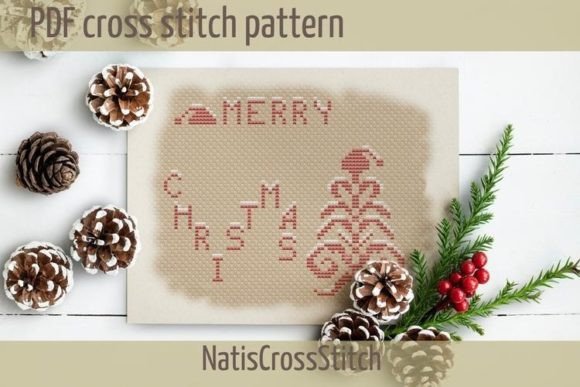
The Small Christmas Cross Stitch Pattern immediately strikes me as having a classic, cozy personality. The finished stitched area measures 73 x 55 stitches, which on 16-count fabric comes out to about 11.6 x 8.7 cm — roughly 4.5 x 3.5 inches. That’s a compact design, perfect for a subtle holiday accent. The cover model was stitched with 2 strands of DMC floss over 2 threads on Murano Lugana, giving it that delicate, detailed look cross stitch enthusiasts love. The mood is undeniably festive yet restrained — think rustic cabin vibes rather than flashy holiday glitz. It feels both handmade and premium, which is exactly what boutique buyers look for in custom apparel. If you’re an Etsy seller or small shop owner aiming for visual consistency across your holiday collection, this pattern offers a classic aesthetic that won’t overwhelm your garments.
Sweatshirt Embroidery and Hoodie Chest Placement
When I consider sweatshirt embroidery, placement and scale are everything. The Small Christmas Cross Stitch Pattern fits beautifully as a chest design on adult and youth sizes. At under 5 inches wide, it sits comfortably centered on a crewneck sweatshirt or slightly offset on a hoodie. On neutral garments — cream, oatmeal, heather grey — the design pops without being overpowering. For pastel hoodies (think blush, sky blue, mint), the cross stitch adds a gentle handmade touch that feels intentional. On dark apparel, such as black or navy sweatshirts, you’ll want to choose thread colors with high contrast (bright red, white, gold) to maintain readability. The stitch density appears moderate — 73 x 55 stitches in that small area means there’s some detail but not so dense that it becomes a stiff patch on stretchy fabric. That’s a huge plus for hoodie design where fabric drape matters.
Sleeve Accents and Back Designs
I also tested the pattern as a sleeve accent for an oversized hoodie. Placed near the cuff or on the upper arm, this small motif works well without distorting the sleeve’s silhouette. For a back design, you could repeat it in a row or create a subtle yoke pattern — but keep in mind that hand cross stitching across a full back would take considerable time. If you’re using this pattern as a machine embroidery design after digitization, the compact size makes it ideal for tight spaces. Always test your embroidery file on scrap fabric first to ensure stitch transitions are smooth.
Beyond Sweatshirts: Tote Bags, T-Shirts, and More
This Small Christmas Cross Stitch Pattern isn’t limited to sweatshirts. I’ve mocked it up on a canvas tote bag for a holiday market booth — the hand-stitched look instantly elevates the bag from plain to boutique. For t-shirt embroidery, the design works best on medium-weight cotton or blends, as cross stitch on very thin tees can pucker if stabilizer isn’t used. Denim jackets are another natural home for this pattern; stitched on the back yoke or as a pocket accent, it adds that vintage handmade product feel that sells well on Etsy. When creating printable mockups for your listings, this pattern’s small scale allows you to showcase the detail without it dominating the photo. It’s a versatile graphic that fits into Cross Stitch Patterns category but could easily be adapted for machine embroidery design if you digitize it properly.
Small Chest Placement and Stretch Fabrics
Because the design is small, small chest placement on women’s or children’s sizes works well — but avoid placing it too close to seams or necklines where fabric stretch is most pronounced. On highly stretchy fabrics like ribbed cuffs or thin jersey, the cross stitch may distort if not backed with a good stabilizer. For fleece and French terry (common in sweatshirt embroidery), the bumpy surface can hide fine details, so consider using a dense satin stitch for key elements if digitizing. I recommend testing on a scrap of your actual garment fabric before committing to a full production run. The pattern’s stitch density from the original cross stitch (73 x 55 stitches over 2 threads on 16ct) suggests it’s not overly dense, but when converted to machine embroidery, you may need to adjust underlay to avoid sinking into fleece.
Dark Garments and Curved Surfaces
On dark garments, thread color contrast becomes critical. For example, stitching with dark green floss on a black sweatshirt will disappear — bright red, white, or gold are safer choices. If your brand uses dark apparel as a staple, test multiple DMC colorways before finalizing. Curved surfaces like raglan sleeves or hoodie pockets can also cause distortion. Keep the design within a relatively flat area for best results. For tote bags or denim, these issues are minimal.
How This Pattern Affects Apparel Value and Brand Identity
Adding a hand-stitched or hand-digitized cross stitch design to your apparel instantly communicates artisan quality. The Small Christmas Cross Stitch Pattern helps establish a boutique brand identity that stands out from mass-produced holiday graphics. For Etsy sellers and small clothing brands, this translates into higher perceived value and customer trust. Buyers are often willing to pay a premium for items that feel crafted rather than printed. When used consistently across a holiday collection — sweatshirts, totes, beanies — it builds product recognition and makes your brand look curated. For social media graphics, close-up shots of the stitching detail perform well because they highlight the handmade process.
Additionally, this pattern can be listed as a digital embroidery file on your own shop if you’ve digitized it, but be sure to check Creative Fabrica product details and licensing. Since it’s listed for free under Graphics (not a machine embroidery format), you may need to confirm whether you can sell the final apparel or if the license requires credit. Always read the terms before selling finished products.
Practical Embroidery Designer Notes
- Test on scrap fabric first — especially if using fleece or stretch knits. The original cross stitch used 2 strands of DMC floss over 2 threads on Lugana, which is an evenweave. For apparel, you’ll likely need a stabilizer to mimic that even tension.
- Check stabilizer choice: For hand cross stitch on garments, a tear-away stabilizer hooped with the garment works. For machine embroidery, use a cut-away for stability, especially on knits.
- Review thread color contrast: Test your chosen DMC colors against the actual garment fabric in natural light. A small sample stitch-out will save you from mismatched orders.
- Confirm hoop size: The pattern’s finished size is 4.5x3.5 inches, so a 5x7 hoop works comfortably. For smaller hoops, you may need to recenter.
- Inspect stitch density: If digitizing, aim for a density that doesn’t stiffen the fabric. The original cross stitch has 73x55 stitches over 2 threads — that’s roughly 4,015 stitches total, which is light enough for most apparel.
- Test on similar garment fabric: Compare placement on a sweatshirt vs. a t-shirt. The pattern behaves differently on each surface.
- Compare placement options: Take photos of the design on a chest, sleeve, and center back to decide which works best for your collection.
- Check Creative Fabrica product details and licensing: Since this is a free Cross Stitch Patterns download, the use rights may be limited. Some free patterns allow commercial use of finished products; others require attribution. Always verify before selling.
As a final note, remember that this pattern was originally designed for hand cross stitch on evenweave fabric. For machine embroidery design, you’ll need to digitize it yourself or hire a digitizer. The small size and moderate stitch count make it a great candidate for digitization, but expect some tweaks to compensate for fabric stretch. If you’re a purist, hand stitching it onto a ready-made sweatshirt creates a truly handmade product that collectors love. Either way, this Small Christmas Cross Stitch Pattern offers fantastic potential for custom apparel that feels personal and festive.
Whether you’re an experienced apparel decorator or an Etsy seller building your holiday lineup, take the time to experiment with this pattern. It may just become a staple in your boutique repertoire.