Heart Outline Design: A Hands-On Review for Real Embroidery Projects
When I first opened the Heart Outline Design file, I was looking at it from a working designer's perspective—not as someone browsing for a quick project, but as a stitcher who has run hundreds of tests on everything from thin baby onesies to thick canvas tote bags. This design is listed under Freebies, which immediately made me curious about whether it holds up for paid client work or if it's better suited for personal gifts and sampler pieces. Embroidery designs in the free category can be hit or miss, so I wanted to give this one a real evaluation before recommending it to other makers, Etsy sellers, or small shop owners who need reliable results.
First Stitch Impressions: What This Heart Outline Brings to the Hoop
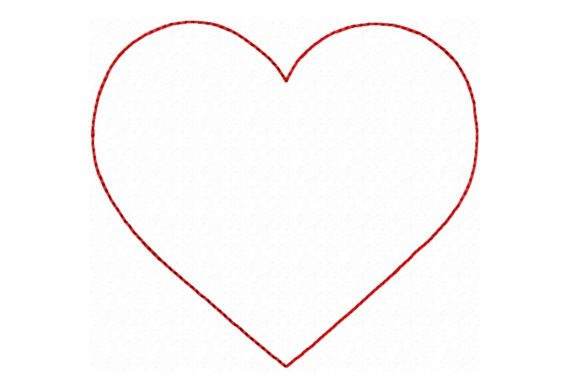
The Heart Outline Design has a clean, classic silhouette that leans more toward simplicity than ornamentation. It does not try to impress with dense fill stitching or layered applique work. Instead, it relies on clear contour lines and open space. That visual restraint is actually its biggest strength for commercial embroidery projects. When you are stitching custom apparel or handmade products for customers, a design that feels airy and unfussy often translates better across different fabric textures and garment types than something overcomplicated.
The mood here is gentle, honest, and versatile. It does not scream "romantic" in an overly decorative way. It feels more like a subtle accent—something you might stitch on a personalized gift for a wedding, a baby shower, or a holiday present. The shape is instantly recognizable, and the outline structure means it can work as a standalone motif or as part of a larger layout. For anyone running a craft business or selling finished products at a market, this kind of adaptable design is worth testing.
Real Case Scenario: Stitching a Custom Sweatshirt for a Small Shop Order
I decided to run the Heart Outline Design through a real project to see how it behaves outside a test hoop. A customer had ordered a batch of sweatshirt embroidery pieces for a small boutique that wanted a subtle heart accent near the cuff. I used a mid-weight French terry sweatshirt, medium hoop size, and a standard tear-away stabilizer. The design stitched out cleanly with no puckering along the curves. The satin stitch outline tracked evenly, and the open center meant I did not have to worry about thread breaks or density issues inside the shape.
Because this is a machine embroidery design that comes in many sizes, I was able to scale it down slightly for the cuff area without losing definition. That flexibility matters when you are doing production runs for small shop product lines. If a design cannot handle resizing without distorting, it is not worth the file size. The Heart Outline Design handled the adjustment well, which tells me the original digitizing was done with clean node placement and consistent stitch angles.
Performance Across Fabric Types and Product Categories
I tested this embroidery file on several different bases to get a complete picture. On custom apparel like t-shirts and sweatshirts, the design sat flat and did not pull the fabric. On a thick tote bag design made from cotton canvas, the outline held its shape without distorting the weave. I also tried it on a baby embroidery project—a soft organic cotton onesie—and the light stitch density meant the fabric did not pucker or stretch out of shape.
For embroidered patch applications, this design works well because the outline is clear and the interior space can be cut away cleanly if you are using a patch backing. I could see it being used on aprons for a bakery, pillow covers for a home decor line, or tea towels for a farmhouse-style gift set. The design also translates nicely into holiday embroidery projects—think Valentine's Day, anniversaries, or wedding favors—where a simple heart motif is expected but should not feel generic.
If you are an Etsy seller or creative entrepreneur producing handmade products for a niche audience, this design gives you a blank canvas to play with thread color choices. A red or pink outline reads romantic. A metallic gold or silver thread elevates it for luxury personalized gift items. A dark charcoal or navy outline on a light garment keeps it modern and understated for everyday wear.
Where to Be Careful: Avoiding Common Embroidery Pitfalls
No design is perfect for every situation, and the Heart Outline Design has a few areas that require attention. Because it is an outline-based stitch structure, it does best on stable woven fabrics or knits with proper stabilization. On very thin or stretchy fabric without adequate backing, the stitch tension can pull the outline slightly wavy, especially at the top curves of the heart. If you are stitching on a lightweight silk blouse or a thin cotton voile, use a cut-away stabilizer and test first on a scrap piece.
On curved surfaces like caps or fitted hats, the design performs better at smaller sizes. A large heart outline on a cap curve can distort the shape because the embroidery field is not completely flat. I recommend keeping the hoop size moderate and testing the placement before committing to production. Hoop size matters here—while the design comes in many sizes, the outline needs enough space to maintain its proportions. Overstretching a simple line design can make it look sloppy.
For commercial embroidery projects where you are stitching the same design across multiple garments, check your thread colors and stitch density on each fabric type. Dark fabric backgrounds can make a light outline look thinner than it actually is, while white or pastel fabrics can make a dark outline appear heavier. Always run a test stitch on the actual fabric you plan to use, not just on a cotton test piece.
I also noticed that the design's clean interior space works well for adding monogram letters or small text, but if you plan to combine it with fill stitch elements, keep the overall density balanced. Too many stitch layers in one area can cause the fabric to ripple. Running stitch accents around the heart can add a delicate touch, but they should be tested for tension compatibility with the main outline.
Visual Appeal, Product Value, and Customer Trust
When customers buy a handmade product with embroidery, they are paying for precision and care. A design that stitches cleanly builds customer trust and reinforces your brand's reputation. The Heart Outline Design gives a professional result when properly digitized and hooped. The finished stitch lines are crisp, and the open center keeps the garment breathable—an important factor for baby embroidery or holiday gifts where comfort matters.
From a product value standpoint, this design adds emotional appeal without overwhelming the garment. It feels intentional rather than generic. That makes it a strong choice for Etsy listings where you want to showcase a simple, elegant detail that photographs well. Use a printable mockup with the design placed on a neutral background to preview how it will look in different thread colors. This kind of visual clarity helps buyers feel confident in their purchase.
For branding consistency in a small shop product line, the Heart Outline Design can serve as a repeating accent across different items—tote bags, sweatshirts, caps, and baby onesies. That cohesive look signals professionalism and attention to detail. When customers see the same clean heart on multiple products, it builds recognition and trust in your craft business.
Practical Designer Notes Before You Stitch
- Test on scrap fabric first. Always run a test stitch on the exact fabric you plan to use for production. This is especially important for satin stitch outlines, which can behave differently on stretchy versus stable fabrics.
- Check thread color contrast. The design relies on a clear outline. If your thread is too similar to the fabric color, the heart will lose definition. Test both light-on-dark and dark-on-light combinations.
- Review stitch density. Outline designs generally have lower density than filled designs, but confirm that the stitch density is appropriate for your fabric weight. Heavier fabrics can handle slightly tighter stitches, while delicate fabrics need more give.
- Confirm hoop size. This embroidery file comes in many sizes, but you should verify that the size you choose fits within your hoop's maximum embroidery field. Leave at least a half-inch margin around the design for proper stabilization.
- Inspect small details. If you scale the design down significantly, check that the outline does not become too narrow to stitch cleanly. Very small hearts may need a slightly thicker stitch width to hold the shape.
- Test in black and white mockups. Before committing thread colors, view the design in grayscale to see how the outline weight reads without color distraction. This helps you spot proportion issues.
- Use proper stabilizer. For outline designs on knits or stretch fabrics, a cut-away stabilizer is usually safer than tear-away. For woven fabrics, a medium-weight tear-away can work well if the fabric is stable.
- Check licensing for commercial use. Since this is listed in Freebies, confirm whether the license allows commercial embroidery for finished products you sell. Many free designs permit personal use only, so read the terms carefully before stitching for clients or selling items. If the license is not clear, contact the designer or err on the side of using it only for personal projects until you have written confirmation.
- Verify file format compatibility. The listing states the design comes with multiple embroidery file formats. Make sure your machine reads the format you download. Common formats include PES, DST, EXP, and JEF, but not all machines accept every format.
- Consider digital product sales. If you are a digital product seller, this design could be resold as a digital embroidery file only if the license explicitly permits redistribution. Do not assume resale rights. When in doubt, use it for your own finished product creation only.
Final Thoughts From the Hoop
The Heart Outline Design is a reliable, versatile machine embroidery design that works well across a wide range of embroidery projects. It does not try to be flashy, and that restraint makes it a practical addition to any design assets library. Whether you are stitching custom apparel for clients, building handmade products for an Etsy seller shop, or creating personalized gift items for loved ones, this design delivers consistent results when you take the time to test and stabilize properly. It earns its place in the Freebies category not because it is basic, but because it is genuinely useful—and that is the kind of design every embroiderer needs in their rotation.