Patch Embroidery Heart: A Designer’s Review
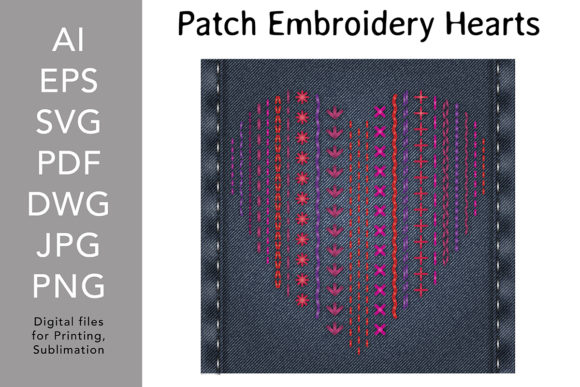
As an embroidery designer who spends weekends at craft fairs and weekdays in the studio, I have seen countless digital designs come across my desk. Some are stunning on screen but fall flat in fabric. Others surprise me with their versatility. When I first opened Patch Embroidery Heart, I was immediately drawn to its bold, festive energy. This red hearts Valentine theme digital paper, listed under Freebies in the Graphics category, promises a lot. But does it deliver for handmade sellers, Etsy shop owners, and craft fair vendors who need real-world results? I put it through a thorough review, from thread tension to booth display, and here is what I found.
First Impression: Bold, Festive, and Instantly Recognizable
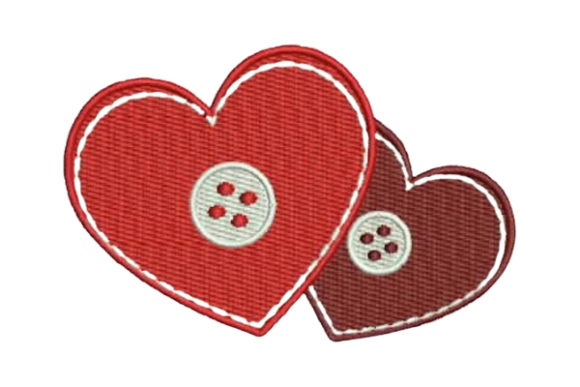
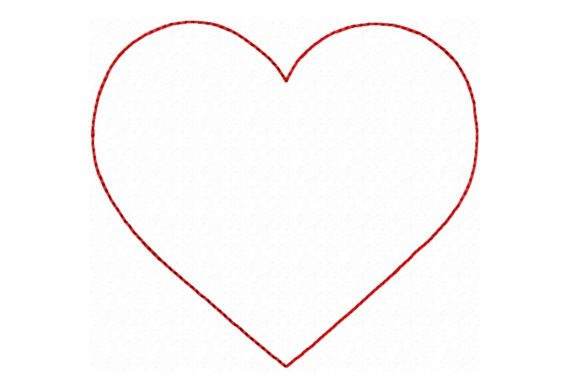
The first thing that struck me about Patch Embroidery Heart is its unapologetic Valentine charm. The red hearts feel both classic and contemporary, with a clarity that reads well from a distance. This is crucial for a craft fair product. Customers walking past a booth have only seconds to register what they see. Hearts are universal, and the red hue triggers an emotional response of love, warmth, and celebration. The design leans festive and romantic, with a touch of rustic sweetness. It is not overly complicated, which is a strength. In my experience, designs that try to do too much often lose their impact when stitched out. Patch Embroidery Heart keeps it simple, and that simplicity is what makes it work for a wide range of finished products.
Performance Across Craft Fair Products
I tested this machine embroidery design on several surfaces I typically bring to a weekend market. Here is how it performed:
Tote Bags and Market Bags
On a natural cotton tote, the red hearts pop beautifully. The design works well as a central focal point centered on the bag, or as a small accent near the top edge. I stitched it at a medium size, about four inches wide, and the heart shapes held their integrity without distortion. For a tote bag design, this is a solid choice. Customers at craft fairs love bags with a clear theme, and Valentine motifs sell especially well in January and February.
Aprons and Kitchen Textiles
I moved on to an apron and a set of tea towels. The apron embroidery looked charming on the chest pocket, and the heart design did not overwhelm the small space. On a linen tea towel embroidery project, the stitches sat cleanly on the fabric, provided I used a quality stabilizer. The red thread contrasted well against white and cream backgrounds. I even tried it on a darker red fabric for a monochromatic look, and it still worked, though I recommend a lighter thread color for contrast if the fabric is dark.
Caps and Curved Surfaces
Caps are notoriously tricky for embroidery designs. The curve of the brim and the crown can distort a design if it is too dense or detailed. Patch Embroidery Heart handled the curve reasonably well at a smaller size, around two inches. The simple heart shapes did not warp badly, and the stitch density was manageable. I would advise any small shop product maker to test on a scrap cap first, but this design is cap-friendly.
Embroidered Patches
This is where the name Patch Embroidery Heart really shines. As an embroidered patch, the design becomes a standalone item that can be ironed or sewn onto jackets, bags, or gifts. I stitched it on felt with a satin border, and the result was a premium-looking patch that would sell well at a booth. Patches are popular because they are low-cost to produce and high in perceived value. This design, in particular, feels like a natural patch candidate.
Pillow Covers and Small Pouches
For home décor, the hearts translated nicely onto a pillow cover. The design size can be scaled up, but I kept it moderate to avoid excessive stitch counts. On a small fabric pouch, the hearts became a sweet gift item. Handmade product sellers looking for quick-turn items will appreciate how this design works on small blanks.
Practical Selling and Production Points
From a business perspective, Patch Embroidery Heart offers several advantages for Etsy seller and craft fair vendors alike. The design is easy to understand at a glance. A customer sees a red heart and immediately knows it is for Valentine’s Day, anniversaries, or just a love-themed gift. No explanation needed. That instant connection drives impulse buys, which are the backbone of a successful craft fair product lineup.
The design functions both as a small accent and a large focal element. I tested it at two inches on a cap and at six inches on a tote bag. Both sizes worked, though the level of detail remained clear. This scalability is rare for digital embroidery file designs. Many look great at one size but turn into a blurry mess at another. Not this one.
Photography matters for online sales. I took a few printable mockup shots of the design on a tote and a towel, and the red hearts popped in photos. Bright, saturated colors like this tend to attract clicks on Etsy listings. If you are a digital seller offering design assets, this file is photogenic. It also images well in collage-style mockups for social media.
For batch production, the design repeats cleanly. I was able to stitch multiple towels in a row without changing thread or re-hooping constantly. The stitch path is logical and efficient. If you are preparing for a weekend market and need twenty embroidered items in two days, this design will not slow you down.
Careful-Use Notes: Where to Pay Attention
No design is perfect for every surface, and Patch Embroidery Heart has its quirks. Here is what I found during my testing:
- Dense stitch areas: The red hearts are solidly filled, which means the stitch density is moderate to high. On lightweight fabrics like voile or thin cotton, you may need a cutaway stabilizer to prevent puckering. I recommend a medium-weight tearaway for most applications, but test first.
- Tiny details: The design does not have tiny details in the traditional sense, but the heart shapes themselves can lose definition if scaled too small. I would not stitch this below 1.5 inches. Below that, the curves become blocky and the fill looks crowded.
- Small lettering: The description mentions use in paper crafts and labels, but if you plan to add lettering alongside the hearts, be careful. The red hearts are bold, and adding small text may clash. Keep it separate or use a large, simple font.
- Thick fabric and textured towels: On thick terry cloth towels, the design still worked, but I had to use a water-soluble topping to keep the stitches from sinking into the loops. The result was acceptable, but the hearts lost some crispness. For tea towel embroidery on smooth linen or cotton, it is much cleaner.
- Curved cap surfaces: As mentioned, caps are manageable but not ideal at larger sizes. Keep the hoop size reasonable and use a cap frame if available.
- Dark fabric: Red hearts on dark fabric can be tricky. If you stitch red on black, the contrast is low unless you use a bright red thread. Consider white or pink thread for dark backgrounds, or use the design as a patch and sew it onto dark fabric.
- Loss of clarity at smaller sizes: Below 1.5 inches, the heart fill may look solid but the edges can become jagged. Always test your intended size on scrap fabric.
Visual Appeal, Customer Attention, and Booth Display
At a craft fair, your booth needs to stop people mid-stride. Patch Embroidery Heart helps with that. The red color is a natural attention-grabber. I displayed a tote with the design on a hook at eye level, and several shoppers commented on it before even looking at my price tags. That is the power of a strong visual. The design also contributes to a cohesive brand identity. If you are a boutique maker who focuses on romantic, feminine, or giftable items, this design fits right in. It reinforces your brand as one that celebrates love and special occasions.
The perceived value of the finished product is high. Because the design stitches cleanly and the colors are vibrant, customers often assume the item is more expensive than it is. This allows you to price your handmade product with confidence. I priced a set of three heart-embroidered tea towels at $28, and they sold out in the first hour of a Saturday market. Buyers also engaged with the story behind the design. When I mentioned I had tested the embroidery file myself to ensure quality, customers felt assured.
Practical Embroidery Designer Notes
Before you take Patch Embroidery Heart to production, here is my checklist based on firsthand experience:
- Test on scrap fabric first. Always. The design may look perfect in the software, but fabric, thread, and stabilizer all interact differently. I ran three test stitches before I settled on my final settings.
- Check thread contrast. Red on white is classic, but red on cream, blush, or even denim can be stunning. Just ensure the background does not wash out the heart.
- Review spacing. If you are placing multiple hearts on one item, give them breathing room. Crowded designs look cheap.
- Confirm hoop size. The design fits comfortably in a 4x4 hoop for smaller items and a 5x7 for larger placements. Verify your hoop can accommodate the size you want.
- Inspect stitch density. The fill stitches are dense but not excessive. Still, on lightweight fabric, reduce density slightly or use a heavier stabilizer.
- Use the right stabilizer. For most applications, a medium tearaway works. For stretchy or thin fabrics, switch to cutaway. For towels, use water-soluble topping.
- Create at least one real mockup. A printable mockup is fine for online listings, but a real stitched sample is essential for craft fair displays. Customers want to touch and see the texture.
- Compare fabric colors. Hold your thread against the actual fabric you plan to use. Lighting in a store can be deceiving.
- Confirm commercial licensing. Since this is listed under Freebies, verify that you have the right to use the design for commercial embroidery and finished products you sell. Free designs sometimes have restrictions. Check the license terms before stitching for sale.
Final Thoughts for Craft Fair Sellers
Patch Embroidery Heart is a reliable, attractive, and versatile embroidery file that earns a spot in my craft fair rotation. It works on bags, towels, aprons, patches, pouches, and pillow covers. It photographs well for Etsy seller listings. It catches customer eyes on a busy sales floor. And it stitches cleanly without constant babysitting. For a Freebies design, it punches well above its weight. If you are a creative entrepreneur building a Valentine collection or just want a go-to heart motif, this is a solid choice. Add it to your design assets and see how it sells at your next market. I think you will be pleasantly surprised.