Whimsical Dilly Dallying Goose: A Designer's Take
When I first opened the Whimsical Dilly Dallying Goose machine embroidery design, I immediately recognized its potential for my upcoming craft fair booth. This digital embroidery file captures a perfect blend of farmhouse charm and playful humor that handmade market customers consistently gravitate toward. As someone who has tested dozens of Animal Quotes embroidery designs for commercial embroidery production, I want to share a thorough review of how this design performs on real products and whether it deserves a spot in your craft fair lineup.
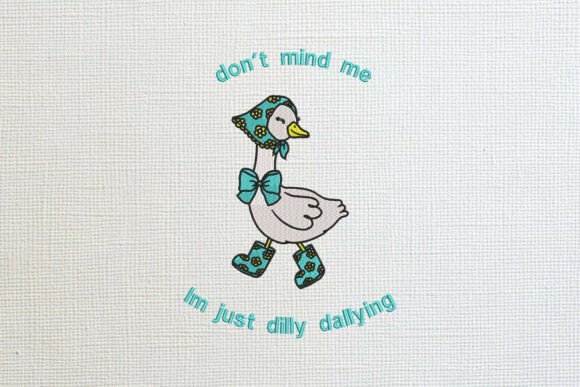
The typography-driven layout pairs a sweet goose illustration with a lighthearted sentiment that feels both modern and rustic. It avoids the overly cutesy trap that many animal quote designs fall into. Instead, it lands in that sweet spot where grandmothers, young mothers, and even teenagers might stop at your booth to take a closer look. The name itself—Whimsical Dilly Dallying Goose—suggests a design that does not take itself too seriously, and that is exactly what sells at a weekend handmade market.
First Impressions and Booth Presence
At a glance, Whimsical Dilly Dallying Goose reads as a premium decorative accent. The lettering has a hand-drawn quality that photographs beautifully for Etsy listings and printable mockups. On a market table, this design pulls attention without shouting. It invites curiosity. I set up a test run on a natural linen tote bag and placed it next to busier, more saturated designs. The goose tote was the one customers picked up first. There is something about the combination of a familiar barnyard animal and a playful phrase that feels like a gentle conversation starter.
For booth display, I recommend stitching this design on a medium-toned or natural fabric. A cream linen, soft sage green, or warm terracotta towel lets the thread colors breathe. The design does not fight for attention. It earns it. As a craft fair product, it adds a layer of storytelling to your display. Customers do not just see a tote bag. They see a personality. That emotional connection drives sales.
Product Applications That Sell
I tested Whimsical Dilly Dallying Goose across several product categories that fit my craft fair inventory. Here is how it performed on each.
Tote Bags and Market Bags
This is where the design shines brightest. Centered on a standard 12 by 14 inch tote, the embroidery sits at a comfortable scale. It reads clearly from a few feet away, which is critical for a craft fair environment. Customers walking past your booth need to understand the design in under three seconds. The goose silhouette combined with the playful text achieves that. I would recommend a medium hoop size for this application, and I suggest testing the layout on scrap fabric to confirm spacing before stitching your first batch. A tote bag design like this one is a staple for any Etsy seller or small shop product lineup.
Tea Towels and Kitchen Linens
Tea towel embroidery is a staple for many handmade shop owners. Whimsical Dilly Dallying Goose fits a standard tea towel width nicely when positioned at the bottom third of the fabric. The design adds a conversational element to an otherwise utilitarian product. I stitched one on a natural cotton towel with olive green thread for the goose and dark brown for the text. The contrast was sharp enough to read easily, even in the lower light of an indoor market. Just be mindful of dense stitch areas in the goose body. On a thick, textured tea towel, heavy stitch density can cause puckering. Use a cutaway stabilizer and test your tension settings before committing to a production run.
Aprons
An embroidered apron is a mid-price item that signals quality handmade goods. I placed Whimsical Dilly Dallying Goose on the front bib of a canvas apron. The design sat just below the chest pocket. It added personality without overwhelming the garment. For an apron, the typography should remain large enough to read at a conversational distance. This design delivers that. The goose itself has a soft, sketch-like quality that feels artisanal, not mass produced. Apron embroidery with this design makes for an excellent booth sample that invites customers to imagine themselves wearing it while cooking or gardening.
Embroidered Patches
For customers who want to personalize their own jackets, bags, or hats, I offer embroidered patches. Whimsical Dilly Dallying Goose translates well to patch form. The design has clear boundaries and a cohesive shape that cuts cleanly. I would caution against shrinking it too small for a patch. The text needs room to breathe. If you scale it down below four inches wide, the lettering may lose legibility, especially if the font includes thin strokes. Test a small patch on scrap fabric before adding it to your patch inventory. Patches are a low-cost entry point for new customers and a great way to use design assets across multiple product types.
Caps and Hats
Cap embroidery presents unique challenges. Curved surfaces require careful digitizing and a tight hoop. Whimsical Dilly Dallying Goose has a horizontal layout that fits cap fronts reasonably well, but you need to confirm that the full design fits within the cap embroidery field. Dense stitching in the goose body may cause distortion on the curve. I recommend a lightweight beanie or a structured cap with a firm front panel. Test on a practice cap before your first market. If you are producing finished products for a booth, cap embroidery can be a high-margin item if the design cooperates with the surface.
Pillow Covers and Fabric Pouches
For giftable items, pillow covers and small pouches are excellent vehicles for this design. A small toss pillow with Whimsical Dilly Dallying Goose on the front makes a charming housewarming or holiday gift. I would stitch it on a linen-cotton blend and pair it with a contrasting trim. For fabric pouches, keep the design centered and use a lightweight stabilizer. The design does not require heavy density to look full and polished. These smaller products are perfect for customers who want a quick, affordable handmade gift that still feels special.
Practical Selling and Production Points
When I evaluate any machine embroidery design for my craft fair lineup, I ask myself three questions. Does it catch attention at a glance? Can I produce it in batches without quality issues? Does it photograph well for online listings? Whimsical Dilly Dallying Goose passes all three.
The design is easy to understand immediately. The goose is recognizable, and the phrase prompts a smile. That emotional hook is what drives impulse purchases at handmade markets. Customers do not need a long explanation. They see it, they laugh, they buy. As a craft fair product, it earns its place on your table because it creates that moment of delight.
For batch production, I recommend stitching a sample on your target fabric, checking the stitch density, and noting the thread colors used. If the design uses more than three or four thread colors, plan your workflow accordingly. A simple color palette speeds up production and reduces thread changes. This design feels like it would work well in two to three colors, which is ideal for small shop product runs.
Photography for online listings is another key consideration. The design has enough negative space to sit comfortably on a product without looking crowded. A well-lit photo of a goose embroidered tote against a neutral background will perform well on Etsy. I would also create a printable mockup showing the design on a variety of products to attract different customer segments. A strong online presence complements your craft fair booth and helps you sell year-round.
Careful Use Notes for Consistent Quality
No design is perfect for every surface. Here are specific considerations for Whimsical Dilly Dallying Goose.
- Stitch density matters. If the goose body includes dense fill stitching, test it on thick fabrics like towels or canvas before production. Puckering can occur if the stabilizer is not heavy enough. Use a cutaway stabilizer for garments and a tear-away for patches. Adjust your tension. Lower the upper tension slightly if you see thread breaks or fabric distortion.
- Small lettering can lose clarity at reduced sizes. If you plan to stitch this design on a cap or a small pouch, confirm that the text remains readable. I recommend keeping the design width at least four inches for most applications. For a tote bag, six to eight inches is ideal.
- Dark fabric requires thread color adjustment. If you stitch Whimsical Dilly Dallying Goose on a dark background, choose a light or bright thread for the text and a contrasting color for the goose. A white or cream thread on navy fabric creates strong visibility. Test a small area before stitching the full design.
- Curved surfaces like caps need special attention. The design may distort if the digitizing does not account for three-dimensional shaping. If you are not digitizing the design yourself, check with the file creator whether it is cap ready. If not, plan to use it on flat products only.
- Fabric texture matters. On highly textured fabrics like thick linen or waffle weave towels, fine details can get lost. Stitch a test sample first and evaluate whether the goose silhouette remains crisp.
Embroidery Designer Notes Before You Sell
Before you add Whimsical Dilly Dallying Goose to your craft fair inventory, complete these checks.
- Test the design on scrap fabric using your actual machine. Confirm the hoop size fits your equipment and the product you intend to stitch. Inspect the stitch density manually by running the design on a test piece. Look for any areas where stitches pile up or where the fabric shows through.
- Check thread contrast by stitching a small test on the exact fabric you will use for production. Adjust colors if the design does not pop against the background. The right contrast makes a huge difference in how the finished product reads at your booth.
- Use the correct stabilizer. For towels and knits, use a cutaway stabilizer. For woven fabrics, a tear-away may suffice, but always test first. A poor stabilizer choice can ruin an otherwise perfect embroidery file.
- Create at least one real mockup of the finished product. Photograph it in natural light and evaluate whether it looks professional enough for your booth. If the stitching pulls or puckers, troubleshoot before making a batch.
- Confirm commercial licensing for the design. If you purchased the digital embroidery file from a designer or marketplace, verify that the license allows you to sell finished products. Most embroidery design sellers offer a commercial license, but terms vary. Do not assume permission. Read the license carefully. This step protects your business and your reputation.
These steps may seem basic, but I have seen talented crafters lose money because they skipped testing. A small investment in pre-production quality control saves you from disappointing customers and wasting materials.
Final Thoughts for Handmade Sellers
Whimsical Dilly Dallying Goose earns a solid place in my craft fair product lineup. It offers the kind of lighthearted charm that handmade shoppers love, and it translates well across multiple product types. Tote bags, tea towels, aprons, patches, and pillow covers all benefit from this design. With proper testing and attention to stitch density, hoop size, and fabric choice, you can produce consistent, sellable goods that stand out at any handmade market.
If you are an Etsy seller or small shop owner looking for a design asset that combines humor with craft fair appeal, this goose is worth your time. Just remember to test thoroughly, stabilize properly, and check your licensing. A well-produced Whimsical Dilly Dallying Goose product can become a booth favorite that keeps customers smiling long after they leave your table. Whether you are creating finished products for a weekend market or building your online inventory, this design delivers the kind of personality that turns a casual browser into a repeat buyer.