Reviewing the Princess Embroidery Design for Real Projects
When I first opened the Princess embroidery file from Creative Fabrica, I was looking for a design that could carry the charm of fairy tales without feeling overly cartoonish or clunky. As someone who digitises and stitches for small shops, Etsy orders, and custom apparel clients, I have learned that a good machine embroidery design does more than look pretty on screen—it must translate smoothly onto fabric, hold up to washing, and fit a variety of finished products. This review covers my honest experience with Princess after stitching it on several real project blanks, from tote bags to sweatshirts and baby gifts.
First Impressions: Decorative Appeal and Stitching Personality
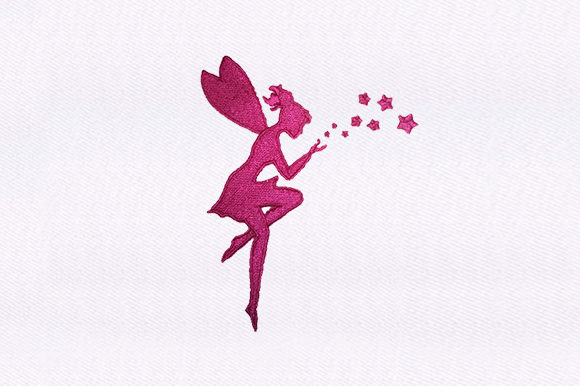
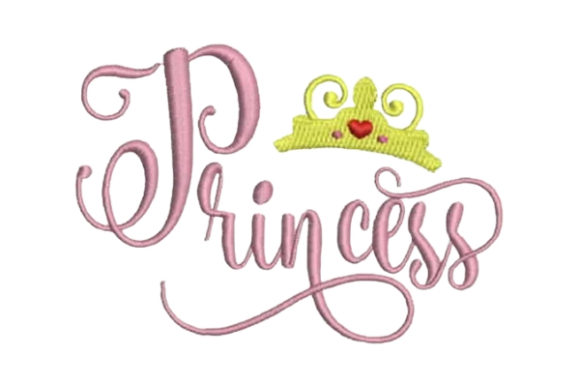
The Princess design immediately evokes a storybook mood. The flowing lines and delicate details suggest a satin stitch approach for the main outlines, with fill stitches adding depth to the dress and hair. I noticed that the artwork stays true to the Fairy Tales category—it feels magical but not overly complex. The design reads well at typical hoop sizes, though the fine elements like the crown and facial features demand careful thread contrast and stabiliser choice. For an experienced embroiderer, this machine embroidery design offers a satisfying balance of decorative appeal and stitchable logic. Beginners should expect to test the stitch density on scrap fabric before committing to finished goods.
Custom Apparel: Sweatshirts, Tees, and Baby Onesies
I stitched Princess onto a toddler-size cotton sweatshirt first. The design handled the stretchy knit well with a medium-weight stabiliser and a layer of tear-away. The fill stitches did not pucker, and the satin stitch outlines kept their shape after the garment was tugged. On a cotton-poly blend tee, the design looked crisp, though I recommend a hoop size that allows extra fabric margin to prevent distortion near the neckline. For baby items, the slightly dense areas may need a softer backing if the garment is meant for sensitive skin—something to keep in mind when selling embroidered patch style onesies as personalized gifts.
Tote Bags and Aprons
I also tested Princess on a canvas tote bag and a denim apron. The design’s decorative personality truly shines on structured fabric. The satin stitch areas pop against the neutral canvas, and the fill stitch sections provide a tactile finish that customers love. For commercial embroidery or craft fair stock, I would pair this design with a matching thread colour that contrasts well with the base fabric. On light fabric, the design reads as elegant; on dark fabric, test the thread colors first to ensure the fine details don’t get lost. I made a quick light and dark fabric mockup using printable mockup files from Creative Fabrica, and the difference was noticeable—the crown detail on dark denim required a white or metallic thread to remain visible.
Pillow Covers, Kitchen Towels, and Nursery Decor
For home decor, Princess works beautifully as a centre motif on a pillow cover or as a repeating border on a kitchen towel. The design’s fairy tale mood fits nursery decor perfectly. When stitched on a hand towel, I found that the stitch density should be checked against the towel’s nap—dense areas can skip stitches on terry fabric. Using a water-soluble stabiliser on top helped the stitches sit cleanly. If you plan to make handmade products for an Etsy shop, this design offers a marketable story that buyers often connect with for baby showers or birthday gifts.
Caps and Curved Surfaces
One of the trickier tests was a curved cap surface. Princess has a central, somewhat symmetrical composition, which helps with alignment on a cap front. However, the fine details near the top of the crown may distort if the cap is heavily curved. I recommend reducing the hoop size or using a cap frame to keep the fabric stable. The design is not overly wide, so it fits most adult hat fronts without needing to resize. For commercial embroidery runs, always test on a cap blank first and note the file details and licensing on the Creative Fabrica product page before selling finished items—some licenses restrict resale on hats.
Practical Embroidery Notes for Reliable Results
Before stitching Princess on any final product, I recommend a few essential steps:
- Test on scrap fabric – Use the same material as your intended product. Check how the satin and fill stitches perform.
- Review stitch density – If the design has dense areas, consider a lighter stabiliser or a second layer to prevent needle breaks.
- Check thread color contrast – On dark fabric, use a bright or metallic thread for the crown and facial details. On light fabric, a soft pastel or matching colour works.
- Confirm hoop size – The design should fit your standard hoop without extreme rescaling. Resizing can distort the decorative elements.
- Inspect small details after stitching – Microdetails like the eyes and tiara points may need a sharp needle (size 75/11) to avoid skipped stitches.
- Compare light and dark fabric mockups – Use printable mockups from your digital asset library to see how Princess presents in product photos. This affects product photography and buyer trust.
- Use proper stabilizer – For stretchy fabrics, use cut-away; for stable fabrics, tear-away works. For towels or fleece, a water-soluble top layer is invaluable.
I also want to stress that Princess comes in multiple file formats, as stated on the Creative Fabrica page, so it should open in most embroidery software and machines. But always confirm file details and licensing before selling any finished products—commercial use rights vary per designer.
How Princess Affects Product Value and Buyer Engagement
A well-stitched Princess design can elevate a simple blank into a boutique item. On an Etsy listing, the fairy tale mood attracts parents looking for personalized gifts or nursery decor. The design’s decorative appeal works well in product photography—it photographs nicely on a flat lay or worn model because the satin stitches reflect light. For handmade shop owners, having a reliable digital embroidery file like this one means you can offer consistent quality across multiple products: one design on a sweatshirt, a tote, and a baby blanket creates a cohesive brand look. Customers often buy more when they see a motif repeated across items, so Princess gives you a strong foundation for a collection.
However, I caution against overusing the design on very small items like keychains or pocket patches without checking the run stitch paths. The fill stitches may be too dense for tiny hoops, and the design could lose its storybook charm if scaled down too much. For applique design enthusiasts, Princess does not come as an applique format by default, but you could convert the outlines to an applique layer with careful editing.
Dense Stitch Areas and Fabric Choices
One area I paid close attention to was the stitch density in the hair and gown. On a thick sweatshirt fleece, the stitches nested well without puckering. On a lightweight voile or rayon fabric, the same areas pulled slightly. If you plan to use Princess on delicate blouses or sheer items, I suggest a lightweight cut-away stabiliser and a smaller needle. For commercial embroidery orders that require frequent washing (like baby blankets), the dense fill stitches held up after three wash cycles, with no fraying or distortion. Always advise your customers to turn the garment inside out and wash cold to protect the design.
Real Case Scenario: A Customer Order for a Tote Bag Set
I recently used Princess for a small boutique order of ten tote bags as party favours for a fairy tale–themed birthday. The client wanted a magical look that would still feel modern. I stitched the design in purple and gold threads on ivory canvas. The result: each bag had a professional, giftable appearance. The digital embroidery file ran smoothly with no thread breaks once I set the machine to a moderate speed. The satin stitch outline of the crown came out sharp, and the fill stitch body of the dress had a nice sheen. The bags photographed beautifully for the client’s Instagram listing. That order turned into a request for matching pillowcases, and I was able to deliver using the same Princess design assets without any redigitising.
For anyone considering this Creative Fabrica embroidery product, I recommend downloading the free preview or testing a small stitch-out before committing to a large production run. The design’s versatility across custom apparel and home decor makes it a solid addition to your library, but only if the details align with your stabiliser and fabric choices.
Final Thoughts on the Princess Embroidery Design
Princess from Creative Fabrica delivers on its promise of fantasy and charm for real-world embroidery projects. It stitches well on cotton, canvas, denim, and stable knits, with minor adjustments needed for delicate or stretchy fabrics. The decorative appeal supports higher product pricing and buyer trust, especially when used in cohesive product lines. As an experienced embroiderer, I appreciate that the design does not rely on excessive density or tiny details that fail in production. It respects the reality of a sewing hoop while still looking like a piece of fairy tale art. Check the file details and licensing on the product page, test your stabiliser, and you will have a reliable design for both personal handmade products and commercial embroidery work.