Unicorn Face: A Designer's Review for Craft Fair Products
As an embroidery designer who has spent years building booth displays, testing thread tension on every fabric imaginable, and watching what actually stops customers mid-stride at a busy craft fair, I have learned to judge a machine embroidery design by its real-world performance. When I first previewed Unicorn Face, I was curious how this Fairy Tales category design would translate from digital embroidery file to finished product that sells. Let me walk through what I see as an experienced stitcher and small shop product creator, focusing on what matters for your next craft fair season.
First Impressions: Cute, Bold, and Built for Attention
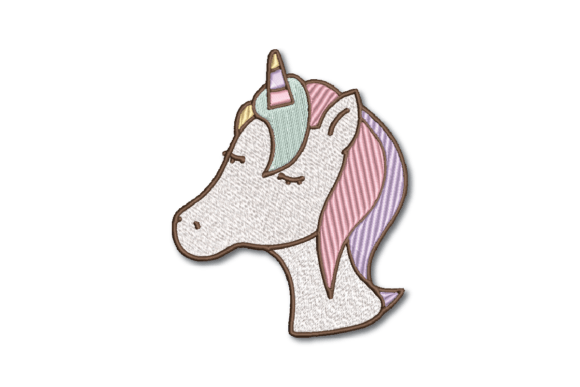
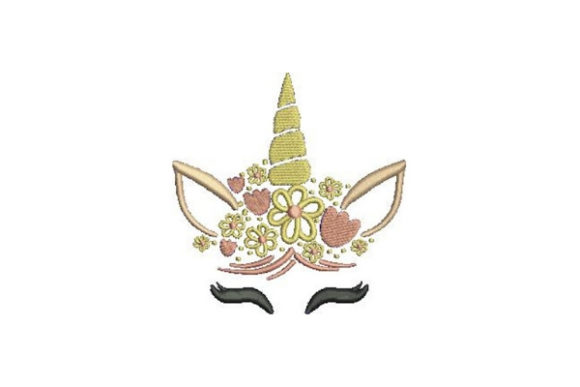
Unicorn Face reads immediately as cute and magical, exactly what the product description promises. The design feels bold rather than fussy. That is a strong advantage for any handmade product meant to compete on a crowded vendor table. Customers walking past a booth do not pause for delicate details they cannot see from three feet away. They stop for clear shapes, confident outlines, and a subject they recognize instantly. Unicorn Face delivers on that front. The face itself is the focal point, and that direct approach works well for craft fair product visibility. It avoids the trap of overly intricate elements that disappear when stitched at moderate hoop sizes. This design feels modern and playful, with enough charm to appeal to children, parents, and anyone shopping for whimsical gifts.
From a brand consistency standpoint, Unicorn Face fits comfortably into a fairy tale or fantasy-themed product line. It also stands alone as a single strong motif. If you sell a mix of animal designs, magical creatures, and nursery-themed embroidery, this design bridges those categories naturally. The first impression is clean, friendly, and commercially viable.
Where Unicorn Face Performs Best on Handmade Products
Based on my experience preparing inventory for weekend markets, Unicorn Face works across several product types, but some applications will sell better than others. Let me break down the practical performance I anticipate.
Tote Bags and Market Bags
Tote bag design is where Unicorn Face shines. The bold face structure holds up well on canvas and cotton tote bags. It reads clearly from across a booth, and the magical unicorn theme appeals to the same shoppers who buy reusable bags for themselves or as gifts. I would recommend centering the design on the front panel for maximum impact. Avoid placing it too low where bag contents might distort the stitching. A medium hoop placement around five to six inches wide gives the face enough presence without overwhelming the bag shape.
Apron Embroidery
Apron embroidery is another strong candidate. Unicorn Face placed on the chest or center bib of a child-sized apron will sell quickly at markets targeting families. For adult aprons, the design works as a playful accent for bakers and kitchen enthusiasts who love whimsical touches. The bold face ensures it remains visible even when the apron is folded on a display table.
Tea Towel Embroidery
Tea towel embroidery with Unicorn Face is a natural fit. Kitchen towels sell consistently at craft fairs, and a magical unicorn face adds a conversation piece to an otherwise practical product. I suggest using a lighter fabric color so the thread colors pop. Dark towels can work if you choose contrasting thread, but the design's details will show better on cream, pale pink, light gray, or soft lavender backgrounds. Towels also make excellent lower-priced add-ons to encourage bundle sales.
Embroidered Patch Applications
Embroidered patch versions of Unicorn Face open up additional revenue streams. Patches are quick to stitch in batches, easy to display on cards or trays, and appeal to customers who want to personalize jackets, backpacks, or pouches. The face shape works well as a patch because it does not rely on tiny details that might fray or distort at the edges. I would stitch these with a dense satin border to ensure durability through washing and wear.
Small Pouches and Pillow Covers
For small shop product lines, consider Unicorn Face on fabric pouches, cosmetic bags, or child-sized pillow covers. Pouches are popular gift items, and a cute unicorn face instantly signals "kids gift" or "magical accessory." Pillow covers with this design work for nursery decor or bedroom accent pieces. Keep the hoop size moderate; an oversized face on a small pouch can look crowded, while a tiny version on a large pillow might lose impact.
Practical Selling Points for Your Craft Fair Booth
Unicorn Face has several qualities that make it easy to sell and easy to produce in volume. First, the design is immediately understandable at a glance. Customers do not need to study it. They see a unicorn face, they smile, and they decide if it fits their shopping purpose. That instant readability is gold for a craft fair product. Second, the design photographs well for Etsy seller listings and printable mockups. Face-focused designs are more likely to look sharp in product photos than sprawling full-body shapes that require wider shots. You can capture a clear, tight image of Unicorn Face on a tote bag or towel and use that same photo across multiple listing variations.
For batch production, the simplicity of the face means you can repeat it efficiently across dozens of items without adjusting tension constantly or worrying about thread breaks in dense areas. The design feels repeatable, which matters when you are stitching twenty towels the night before a Saturday market. I also appreciate that the design assets work for both physical finished products and digital embroidery file sales if your business model includes selling the design itself. The cute subject has broad appeal, which reduces the risk of slow-moving inventory.
Booth Display Ideas
When I plan my booth display, I consider how each product will catch attention. A single Unicorn Face tote bag hanging at eye level draws customers in. A stack of tea towels with the same design folded nearby reinforces the motif and creates a cohesive look. I would also stitch one Unicorn Face patch onto a plain denim jacket or apron as a sample that customers can touch and examine. Real mockups matter more than any printable mockup for in-person sales.
Careful Production Notes Before You Stitch
No review is complete without honest notes about potential pitfalls. Unicorn Face is a solid design, but I want to flag several considerations based on production experience. Always test the embroidery file on scrap fabric before committing to finished products. This is non-negotiable. Check the stitch density, thread colors, and overall registration. If the design includes dense stitch areas, they may cause puckering on lightweight fabrics or require extra stabilizer. I recommend testing on at least two fabric types: a medium-weight cotton for towels and a heavier canvas for tote bags.
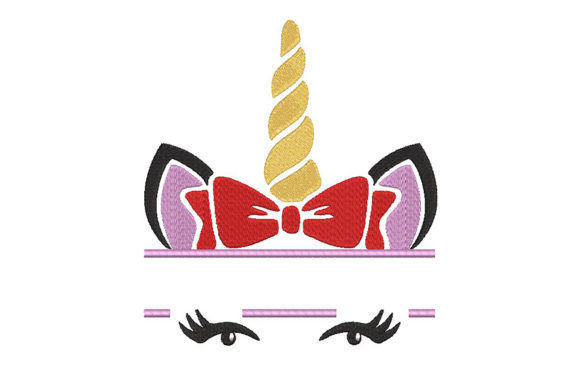
Thread contrast is critical for this design. Unicorn Face likely uses multiple colors for the mane, horn, and facial features. Make sure the thread values differ enough that the face does not blur into a single muddled shape. Light pink, white, and pastel lavender can merge together if they are too similar. Consider using a darker outline color to define the shape clearly. Small details, particularly around the eyes and horn tip, need to remain crisp. If the design has tiny elements, confirm they stitch cleanly at your intended hoop size. Reducing the design too much may cause those details to lose clarity.
Fabric texture matters. Thick towels, textured linens, and curved cap surfaces can distort the design. For tea towel embroidery, use a cutaway stabilizer to prevent shifting. For caps, hooping with a cap frame and using a firm stabilizer is essential. Dark fabric requires careful thread selection; white or light thread on black fabric works well, but pastel shades may not show up as intended. Always stitch a test sample on the actual fabric you plan to sell.
I also recommend checking the hoop size required for this design. If the embroidery file needs a large hoop, that limits the products you can use it on. Confirm the file fits hoops you own before committing to bulk production. Similarly, review the stitch count. A very high stitch count increases production time and thread usage, which affects your pricing and profit margin. A moderate stitch count keeps the design practical for multi-item runs.
Commercial licensing is another important step. The product description notes that the design comes with multiple embroidery file formats and can be used in multiple ways, but you must confirm that your license allows you to sell finished products made from this design. Some embroidery designers require a commercial license for selling physical goods. Check the terms before you stitch inventory for sale.
Visual Appeal and Customer Engagement at the Market
Unicorn Face has strong visual appeal for the fantasy-loving customer base. At a craft fair, parents shopping for children's gifts, grandparents looking for unique presents, and young adults who love whimsical home decor will all pause at this design. The magical theme invites conversation. Customers might ask, "Is that a unicorn?" or "My daughter loves unicorns," which opens the door to a sale. The design's cute factor reduces buyer resistance; it feels like a small indulgence rather than a serious purchase decision.
Product value perception improves when the embroidery looks clean, professional, and well-placed. A well-stitched Unicorn Face on a quality tote bag or towel suggests attention to detail, which justifies a higher price point. Customers associate embroidery with handmade quality, and a bold, cute design reinforces that impression. For brand consistency, using Unicorn Face across multiple product types creates a recognizable style that repeat customers seek out at future markets.
Buyer engagement also benefits from the design's versatility. You can offer Unicorn Face as a custom option for customers who want a specific product personalized with the design. Taking custom orders at craft fairs adds a service dimension that sets your booth apart from vendors selling only ready-made items.
Final Designer Recommendations for Unicorn Face
From my perspective as an embroidery designer who has reviewed hundreds of digital embroidery files for commercial production, Unicorn Face is a strong addition to a craft fair product lineup. It is cute, bold, and immediately recognizable. It performs well on tote bags, tea towels, aprons, patches, pouches, and pillow covers. It photographs nicely for Etsy listings and printable mockups, and it holds up to batch production without excessive complexity.
Before you start stitching, test the design on scrap fabric of the same type you plan to sell. Check thread contrast, especially if using pastel colors. Confirm the hoop size works with your machine. Review stitch density for potential puckering on lightweight fabrics. Use appropriate stabilizer for each product type, particularly for towels and caps. Create at least one real mockup to see how the design behaves on the finished product. Compare fabric colors to ensure the design stands out. Verify commercial licensing rights before selling any finished products. If the product description does not specify exact stitch count, file format, hoop size, or license terms, contact the designer for clarification before production.
Unicorn Face brings the magic its description promises, and with careful preparation, it can be a reliable seller at your next craft fair. Stitch a sample, test your display, and watch how customers react. That real-world feedback will tell you more than any review ever could.