The Enchanting Fairy Embroidery Design: Designer Review
As a professional embroidery designer who spends most weekends behind a craft fair booth or hunched over a multi-needle machine, I have seen thousands of machine embroidery designs cross my digital desk. Some are flashy but impossible to stitch. Others stitch perfectly but gather dust at markets. When I came across the Fairy machine embroidery design in the Fairy Tales category, I knew I had to put it through a rigorous review. This article is my honest assessment of its potential as a craft fair product and handmade market item.
First Impressions: Storybook Elegance for Handmade Products
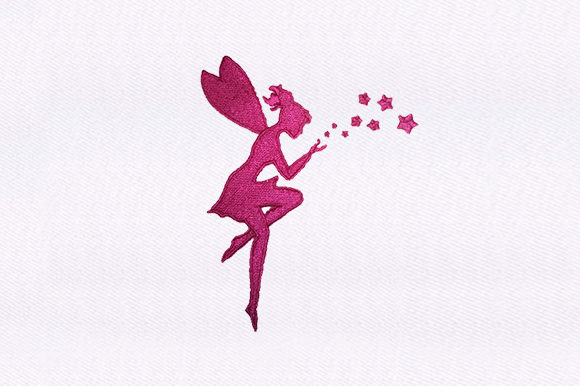
The word "Fairy" immediately evokes a mood of whimsy, delicate beauty, and storybook charm. This is not a rustic farmhouse design or a bold, modern graphic. The Fairy machine embroidery file sits beautifully in a niche that is ethereal, elegant, and highly feminine. This is a significant advantage for craft fair sellers because it targets a specific, loyal customer base. Buyers drawn to this aesthetic are often looking for meaningful, high-quality gifts for children, mystical home decor, bridal accessories, or nursery wall art. At a craft fair table, this design will stop that exact customer in her tracks.
Market Positioning and Visual Appeal
In a booth filled with monogrammed towels and appliquéd onesies, the Fairy design offers a breath of fresh air. Its delicate lines and fantasy theme suggest a premium, storybook quality. It feels like something you would find in a boutique, not a big-box store. If you are an Etsy seller or small shop product vendor trying to differentiate your handmade product line, this type of aesthetic is a powerful asset. It elevates your brand from "customizer" to "creator of original art."
Matching the Fairy to Your Craft Fair Product Line
Choosing the right base product is critical for any machine embroidery design. The Fairy offers versatility, but it has specific strengths and weaknesses depending on the substrate. Here is how I evaluate it for my booth.
Tote Bags, Aprons, and Tea Towels
These are the bread and butter of any craft fair product lineup. A canvas tote bag design centered on the front panel creates an instant retail product. The Fairy works wonderfully on natural fabrics like unbleached cotton, linen, or soft pastel canvas. The thread contrast will pop beautifully, and the design feels substantial enough to justify a premium price point. For apron embroidery, it adds a cottagecore or whimsical kitchen witch vibe that sells exceptionally well. On tea towels, it becomes an affordable but giftable item. These products are repeatable for batch production, which is essential for profitability.
Patches, Pouches, and Pillow Covers
Turning the Fairy into an embroidered patch is a smart strategic move. Patches are high-margin, low-bulk items perfect for a booth table. Customers love the ability to add a design to their own denim jacket or backpack. For zippered pouches or cosmetic bags, a small, well-placed Fairy design turns a simple utility item into a desirable accessory. Pillow covers are where this design truly shines. A large Fairy on a throw pillow becomes a statement piece for a child's bedroom or a mystical living room. It photographs beautifully for Etsy listings and becomes a featured showcase item on your display rack.
Caps and Apparel
This is where caution is required. The Fairy design likely contains delicate details and fine satin stitching that may not translate well to highly textured or curved surfaces. A cap embroidery needs to be bold and readable. Complex fairy wings can lose their shape on the curved surface of a structured cap. If you do attempt apparel, such as a child's dress or a denim jacket, I strongly recommend test-stitching the embroidery file on scrap fabric first. Pay close attention to how the design holds its shape on the curve.
Production Reality: Testing the Digital Embroidery File
Before I commit to stitching this design for customers, I run a strict set of tests. Free machine embroidery designs are a fantastic resource, but they can vary wildly in technical quality. Here is my professional checklist for the Fairy design.
Stitch Density and Thread Contrast
Fairy wings often rely on delicate satin stitches and intricate fills. I will immediately check the stitch density in my software. If the density is too high, the fabric will pucker and the design will feel stiff. If it is too low, the thread will not cover dark fabric properly. Thread contrast is critical for this design. A pale pastel fairy on a cream towel will completely disappear. For maximum customer attention, I would pair a bright thread color against a dark or neutral fabric, or use a metallic thread for the wings to add a shimmering effect that draws the eye at a craft fair.
Hoop Size, Stabilizer, and Fabric Texture
Always check the required hoop size. A large, detailed Fairy might need a 5x7 or larger hoop. This is important to note before you cut your fabric. For stretchy knits or loosely woven fabrics, a high-quality cutaway stabilizer is non-negotiable. For tea towel embroidery, I will use a heavy stabilizer and a water-soluble topper. The topper prevents the delicate stitches from sinking into the terry or linen texture, ensuring the fairy wings stay crisp and clear. Skipping this step will ruin the finished product.
Batch Production and Repeatability
To make a profit at a craft fair, you need to stitch efficiently. If the Fairy design has a reasonable stitch count, it can be a workhorse for your small shop product line. I test how it runs in a multi-needle machine versus a single-needle machine. If it requires frequent thread breaks or trims due to dense color changes, it will slow down batch production. However, if it stitches out smoothly, it is a reliable asset for commercial embroidery.
Selling the Fairy: Photography and Customer Engagement
A design can be technically perfect, but if it does not sell, it is useless for a craft fair seller. The Fairy design has strong potential, but only if you present it correctly.
Using Printable Mockups and Design Assets
Before I stitch a single tote bag, I use a printable mockup of the design on different product templates. This allows me to test the market. I can post a mockup on my social media or Etsy shop to gauge interest. If the digital design assets are provided with the machine embroidery file, use them. They help you visualize the finished product and create professional listings that stand out among other Etsy sellers.
Customer Attention and Booth Display
At a craft fair, the Fairy design draws a specific customer. It is the buyer looking for a meaningful, storybook-quality gift. I would display this design on a well-lit easel stand or clipped to a metal grid wall. The texture of the thread work acts as a magnet. Customers will pick up the item and inspect the back of the stitching. This is your cue to explain your process. "I embroider this using a commercial embroidery machine and carefully stabilize the fabric to ensure it lasts a lifetime." That story adds perceived value to the finished product.
Commercial Embroidery Licensing
This is the most critical legal note for any Etsy seller or craft fair vendor. You must confirm the commercial use license for this free machine embroidery design. Some freebies come with restrictions on selling the finished product. Always read the terms of use before you create inventory. Protecting your business from copyright claims is just as important as making beautiful handmade products.
Final Verdict for the Handmade Product Seller
So, does the Fairy machine embroidery design earn a permanent spot in my craft fair rotation? Yes, with a few conditions. It is a strong addition to any product line that targets the fantasy, children's boutique, or whimsical home decor market. It fills a gap that typical farmhouse or floral designs often leave empty.
My professional advice is this: test it thoroughly. Check the stitch density, experiment with thread colors, and use the right stabilizer for your fabric texture. Create a real mockup, compare it against different fabric colors, and confirm your commercial licensing. If you do the preparation work, the Fairy has the visual appeal and customer attention power to become a bestseller at your next weekend market. It is a fantastic design asset for any creative entrepreneur ready to scale a small shop product into a profitable booth display.